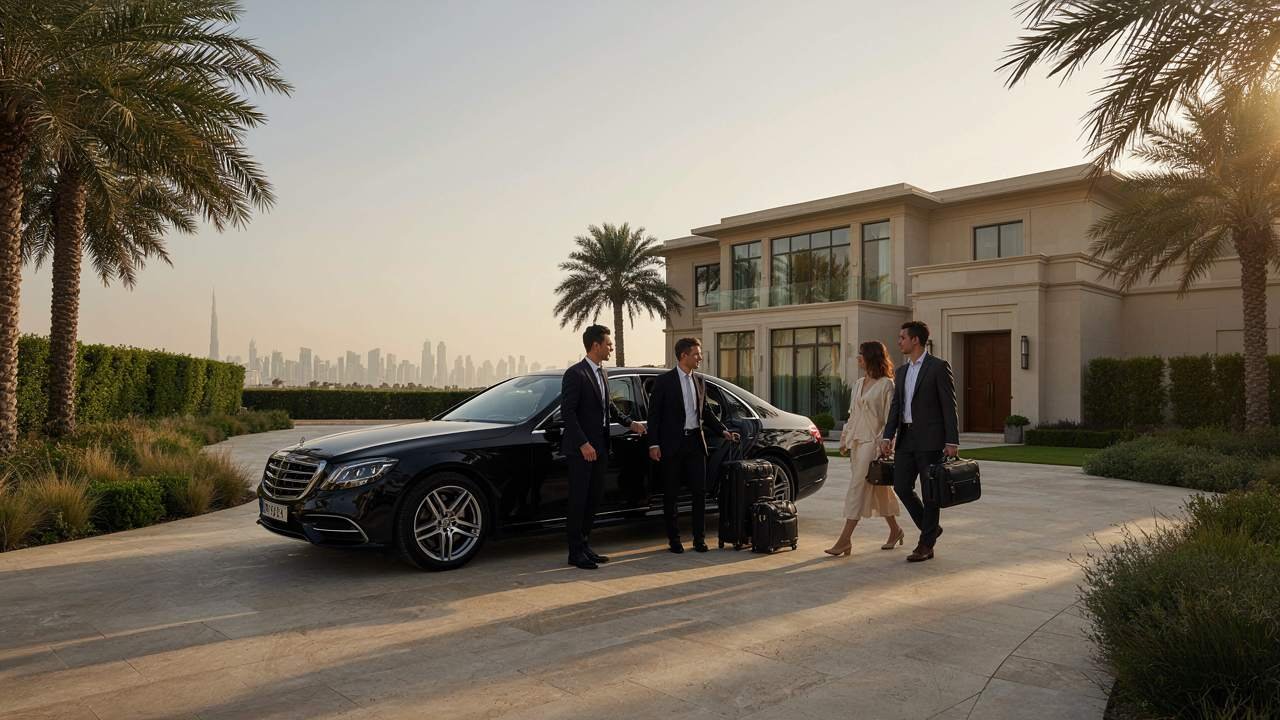
Dubai has become a popular destination for these trips. The city offers attractions that appeal across generations—theme parks for children, cultural sites for grandparents, shopping and dining for everyone—and its infrastructure is broadly accommodating. But the practical challenges are real. The heat is a factor. The distances are considerable. And the daily rhythm of a multigenerational group rarely fits a single fixed schedule.
This article is about planning chauffeur transport for multigenerational family trips in Dubai. It focuses on the specific realities of travelling with children and elderly relatives: luggage capacity, entry and exit comfort, itinerary coordination, and the small details that determine whether a day runs smoothly or becomes a series of frustrations.
Understanding the Range of Needs in One Group
The defining feature of a multigenerational trip is that a single group contains people with very different needs.
Young children need car seats, space for strollers, tolerance for naps and meltdowns, and frequent stops. They cannot be expected to wait patiently in a lobby or walk long distances.
Parents are managing everyone else. They need a transport arrangement that reduces their cognitive load rather than adding to it. The last thing they need is to coordinate three separate taxis while holding a toddler.
Elderly relatives may have reduced mobility, limited stamina, and specific comfort requirements. They may need assistance boarding and alighting, prefer a slower pace, and benefit from a smooth, quiet ride.
Teenagers may want some independence, or may simply want to get to the attraction without fuss.
A transport plan for this group must accommodate all of these needs simultaneously. That usually means prioritising the least mobile member of the group, and building the day around their comfort.
Why a Chauffeur Makes Sense for Multigenerational Travel
For a solo traveller or a couple, a taxi or ride-hailing service is often perfectly adequate. For a multigenerational group, the calculus changes.
The group stays together. A chauffeured vehicle—or a small fleet—keeps the family together. There is no splitting into separate taxis, no arriving at different times, no losing track of who is where.
The vehicle becomes a base. Between activities, the vehicle provides a place to rest, store bags, and regroup. This is particularly valuable for elderly relatives and young children who need downtime between attractions.
Luggage is handled. Multigenerational trips involve more luggage: suitcases for adults, bags for children, strollers, perhaps a wheelchair or walking frame. A chauffeur handles loading and unloading, and the vehicle accommodates everything in one trip.
The pace can be managed. A chauffeur can adjust the pace to suit the group—slower when needed, faster when possible. There is no pressure to match the speed of a public transport schedule.
Assistance is available. A chauffeur can assist elderly passengers with boarding and alighting, help with luggage, and generally reduce the physical burden on the family.
The journey is comfortable. A climate-controlled vehicle with comfortable seating makes the transitions between activities pleasant rather than tiring.
Choosing the Right Vehicle for a Multigenerational Group
Vehicle selection is the first practical decision, and it depends on the size of the group and the volume of luggage.
For a Group of Four to Five
A luxury SUV—such as a Range Rover, Lexus LX, or Mercedes GLS—accommodates four to five passengers comfortably, with space for luggage and a stroller or two. The elevated seating makes entry and exit easier for elderly passengers, and the ride is smooth.
For a Group of Six to Seven
A larger SUV or an MPV—such as a Mercedes V-Class or a Cadillac Escalade—accommodates six to seven passengers. The V-Class is particularly well-suited to multigenerational travel, with sliding doors that make access easy, generous interior space, and a comfortable ride.
For a Group of Eight or More
A van or minibus—such as a Mercedes Sprinter or a Toyota Hiace—accommodates larger groups. These vehicles are ideal for extended families, with space for passengers, luggage, and equipment.
Key Considerations
Entry and exit. For elderly passengers, a vehicle with higher seats and wider doors is easier to enter and exit than a low sedan. Sliding doors are easier than hinged doors in tight spaces.
Luggage capacity. Confirm that the vehicle can accommodate the group’s luggage, strollers, and any mobility equipment. It is better to book a larger vehicle than to discover at the curb that everything does not fit.
Climate control. Dubai’s heat makes climate control essential. Confirm that the vehicle’s air conditioning is effective and that rear passengers have access to controls.
Comfort. Long days of sightseeing are tiring. A vehicle with comfortable seating, good suspension, and a quiet cabin makes a significant difference.
Planning the Family Itinerary Around Transport
The itinerary and the transport plan are interdependent. A well-designed itinerary accounts for the group’s energy levels, the distances involved, and the need for rest.
Fewer Activities, More Time
Multigenerational groups move more slowly than solo travellers. Trying to pack in too many activities leads to exhaustion and frustration. Plan fewer activities per day, and allow more time at each.
Build in Downtime
Elderly relatives and young children need rest. Build in periods of downtime—a return to the hotel, a quiet hour in the vehicle, or a leisurely meal. The vehicle can serve as a rest space between activities.
Consider the Heat
Dubai’s heat is a significant factor for elderly travellers and young children. Plan outdoor activities for the cooler parts of the day—early morning and late afternoon—and use the vehicle as a cool refuge during the hottest hours.
Group Activities by Location
Cluster activities geographically to minimise travel time. A day that moves from the Dubai Mall to the Palm to the Marina involves significant travel; a day that stays within one area is more relaxed.
Allow for Flexibility
Plans change, particularly with children and elderly relatives. Build flexibility into the schedule so that a delayed start or an early finish does not disrupt the entire day.
Include Everyone in the Planning
Where possible, involve the whole family in planning the itinerary. Grandparents may have specific interests; children may have must-see attractions. A plan that reflects everyone’s preferences is more likely to be enjoyed by all.
Managing Luggage and Equipment
Multigenerational trips involve more luggage than other holidays. Planning for it prevents problems.
Count the Bags
Before booking, count the suitcases, carry-ons, strollers, and any mobility equipment. Share this with the chauffeur service so the right vehicle is allocated.
Strollers and Mobility Equipment
Strollers and mobility equipment—wheelchairs, walking frames, mobility scooters—take up significant space. Confirm that the vehicle can accommodate them, and consider whether a larger vehicle is needed.
Packing Strategy
Packing efficiently helps. Soft bags are easier to fit than hard cases. Keeping essentials in a smaller bag, accessible during the journey, is useful for children and elderly passengers.
Hotel Transfers
If the trip involves moving between hotels, plan the transfer carefully. Allow time for loading and unloading, and ensure the vehicle can accommodate everything in one trip.
The Daily Rhythm of a Multigenerational Day
A typical day on a multigenerational trip has a rhythm that transport should support.
Morning
Mornings are often the best time for activities, when everyone is fresh and the heat is manageable. The vehicle should be ready early, and the first activity should be close to the hotel where possible.
Midday
Midday is the hottest part of the day. This is a good time for indoor activities, a meal, or a return to the hotel for rest. The vehicle provides a cool space during transitions.
Afternoon
The afternoon may include another activity, or may be dedicated to rest. Elderly relatives and young children may need a nap, which can happen at the hotel or, in some cases, in the vehicle.
Evening
Evenings are good for dining, entertainment, and relaxed activities. The vehicle should be available for the return journey, and the schedule should allow for a relaxed end to the day.
Night
Late evenings may be too much for some family members. The transport plan should allow for early returns if needed, without disrupting the rest of the group.
Coordinating with the Chauffeur
The chauffeur is a partner in the day, and clear communication makes everything smoother.
Brief the Chauffeur on the Group
Inform the chauffeur of the group’s composition, including the ages of children, any mobility needs, and any preferences. This allows the chauffeur to adjust their approach.
Share the Day’s Plan
Provide the chauffeur with the day’s itinerary, including pickup times, destinations, and any planned breaks. This allows them to plan routes and anticipate needs.
Establish Communication
Agree on how you will communicate during the day. A messaging app is convenient for quick updates.
Request Assistance Where Needed
Chauffeurs can assist with boarding, alighting, luggage, and strollers. Do not hesitate to ask for help.
Confirm the Return
Confirm the return arrangements each day, including the pickup time and location. This avoids confusion at the end of a tiring day.
Special Considerations for Elderly Passengers
Elderly passengers have specific needs that deserve attention.
Comfort. A smooth, quiet ride with effective climate control is essential. Request a vehicle with good suspension and comfortable seating.
Accessibility. If a passenger uses a wheelchair or has significant mobility limitations, request an accessible vehicle with a ramp or lift.
Pace. Allow more time for boarding and alighting. A patient chauffeur who does not rush elderly passengers is invaluable.
Medical needs. If a passenger has medical requirements, ensure that medication is accessible and that the itinerary allows for rest.
Dignity. Assistance should be offered respectfully, without making the passenger feel dependent. A good chauffeur understands this balance.
Special Considerations for Young Children
Children have their own needs.
Car seats. Request appropriate car seats in advance. Do not assume they will be available at short notice.
Nap times. Where possible, schedule travel around nap times. A sleeping child is easier to transport than a tired, cranky one.
Snacks and entertainment. Keep snacks, water, and entertainment in the vehicle. This helps manage the journey and prevents meltdowns.
Frequent stops. Young children may need frequent stops. A chauffeur on standby can accommodate this.
Safety. Ensure that children are properly secured at all times.
Cost Considerations
Multigenerational trips typically require larger vehicles, which cost more than standard sedans. The cost is often justified by the convenience.
Full-day packages. For days with multiple activities, full-day chauffeur hire offers the best value and the greatest flexibility.
Hourly hire. For shorter days or specific transfers, hourly hire offers flexibility.
Larger vehicles. SUVs, MPVs, and vans cost more than sedans, but accommodate the group and luggage in one vehicle. You can compare available options in the chauffeur fleet.
What is included. Reputable providers include the chauffeur, vehicle, fuel, tolls within Dubai, parking, and insurance.
Value calculation. The cost of transport should be weighed against the convenience and comfort it provides. For a multigenerational group, the value is often significant.
A Planning Checklist
Before the trip, confirm the following:
- Group size and composition
- Ages of children and any special needs
- Mobility requirements of elderly passengers
- Luggage, strollers, and mobility equipment
- Vehicle allocation and capacity
- Daily itinerary and pickup times
- Child seats and accessible vehicle arrangements
- Chauffeur brief, including group details
- Communication arrangements
- Return plans for each day
Conclusion: A Trip That Works for Everyone
A multigenerational family trip to Dubai can be one of the most rewarding holidays a family takes together. But it requires planning that accounts for the needs of every generation. Transport is a central part of that planning. The right vehicle, the right chauffeur, and the right schedule allow everyone to enjoy the trip—grandparents, parents, and children alike.
The key is to prioritise comfort and flexibility over efficiency and speed. Fewer activities, more rest, and a vehicle that serves as a base between destinations. A chauffeur who understands the group and adapts to its pace. And a plan that allows for the unexpected, because with three generations travelling together, the unexpected is guaranteed.
Plan for the whole family, not just for the itinerary. The result is a trip that everyone remembers for the right reasons.
Frequently Asked Questions (FAQs)
Q1: What vehicle is best for a multigenerational family in Dubai?
A luxury SUV or MPV suits groups of four to seven, offering space for passengers, luggage, and strollers. Larger groups may need a van or minibus.
Q2: Can chauffeurs provide car seats for children?
Yes, from most reputable providers, on request. Request car seats when booking so they can be fitted in advance.
Q3: Are accessible vehicles available for elderly passengers?
Yes, but they are limited in number. Book well in advance if a wheelchair-accessible vehicle is required.
Q4: How do I plan a day that suits both children and elderly relatives?
Plan fewer activities, allow more time at each, build in rest periods, avoid the hottest hours, and cluster activities geographically to minimise travel.
Q5: What should I do about luggage for a large family?
Count all bags, strollers, and mobility equipment before booking, and select a vehicle that can accommodate everything in one trip.
Q6: Can the chauffeur assist elderly passengers with boarding?
Yes. Chauffeurs can assist with boarding, alighting, and luggage. Brief the chauffeur on the level of assistance required.
Q7: How do I handle nap times and young children?
Schedule travel around nap times where possible, keep snacks and entertainment in the vehicle, and allow for frequent stops.
Q8: What happens if the day runs longer than expected?
Confirm the waiting and overtime policy when booking. For flexible days, a full-day package with standby arrangements is safer than fixed-time bookings.
Q9: How far in advance should I book transport for a multigenerational trip?
Book as early as possible, particularly for larger vehicles and accessible vehicles, and especially during peak season.
Q10: Is a chauffeur worth the cost for a family trip?
For most multigenerational groups, yes. The convenience of keeping the family together, the assistance with luggage and boarding, and the comfort between activities make the cost worthwhile.