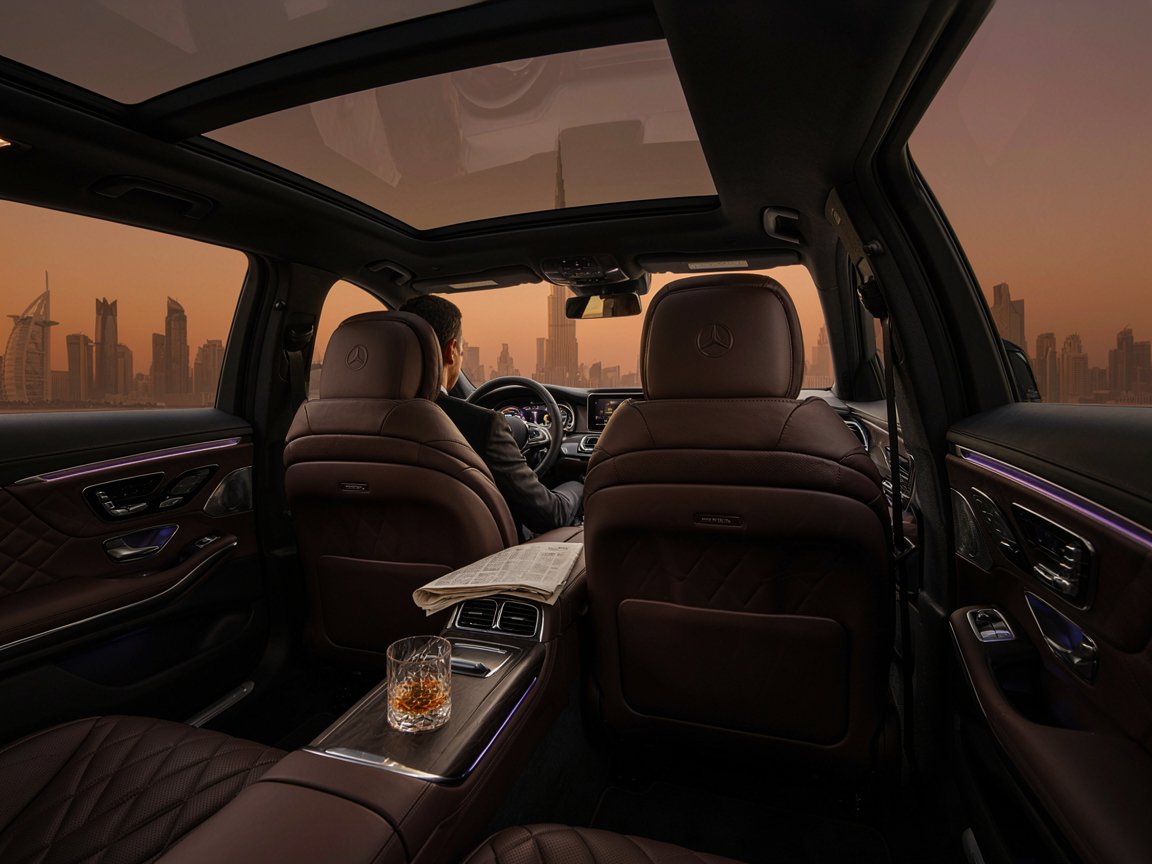
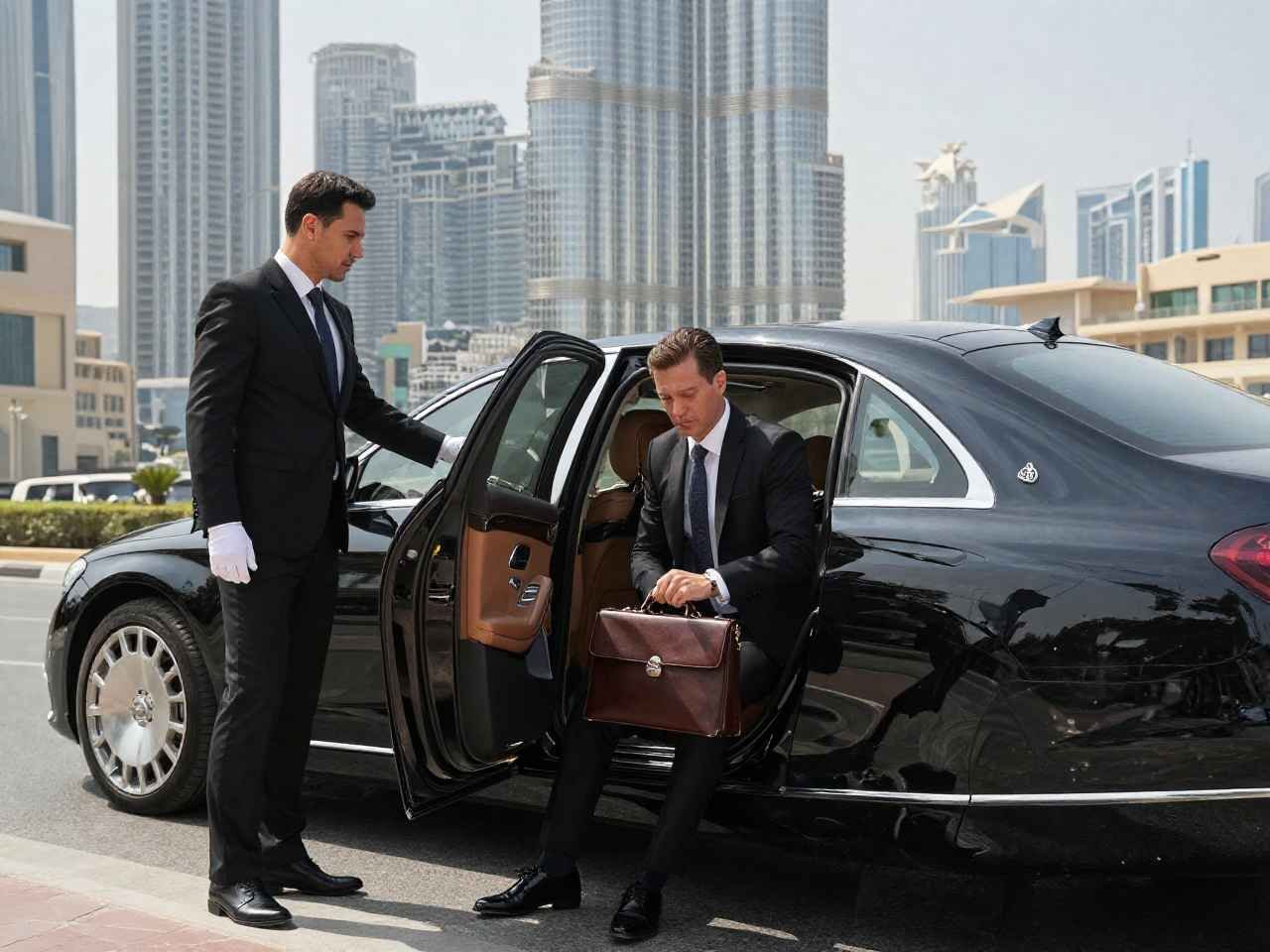
A trade show stand does not assemble itself. Behind every successful exhibition presence is a team that arrived early, set up on time, kept the stand stocked and staffed across multiple days, and dismantled everything at the end without leaving anything behind. The visible part of a trade show—the branding, the product displays, the conversations with visitors—depends on an invisible logistics operation that runs from before the doors open until after they close.
Transportation sits at the centre of that operation. Exhibitors do not simply travel to a venue and back. They move between hotels and the venue daily, sometimes twice a day. They transport samples, display materials, promotional stock, and equipment. They coordinate teams of varying sizes whose members arrive and depart at different times. They manage the gap between venue opening hours and hotel check-in times. And they do all of this while the exhibition itself is running, with limited time and no room for error.
This article focuses specifically on the transport needs of exhibitors and trade show teams in Dubai, and how a chauffeur service can be structured around exhibition logistics rather than around generic business travel.
The Exhibition Day Has a Shape of Its Own
Exhibitions do not follow the rhythm of a normal working day. They have their own pattern, and transport must follow it.
The day typically begins earlier than most business engagements. Stand staff need to be on site before the doors open, which often means arriving at the venue while the halls are still quiet and the aisles are still clear. Setup days begin even earlier, sometimes before sunrise, and run long.
Through the day, the stand must remain staffed. Team members rotate for breaks, meetings with buyers, and visits to other stands. Some will leave the venue for off-site meetings and return. Others stay until closing. Some attend evening events; others return to the hotel.
Transport for an exhibition team must accommodate all of these phases, not just the commute.
Setup and Breakdown Days Are the Hardest
Most exhibitors underestimate the transport demands of setup and breakdown. These are the days when the physical infrastructure of the stand—panels, counters, lighting, screens, product displays, samples, and stock—moves from a hotel or storage location to the venue.
Setup Day
Setup typically begins early. Materials need to arrive at the venue at a designated time, and the team needs to be there to receive them, assemble the stand, and prepare for the opening. If materials are travelling with the team, the vehicle must accommodate them. If materials are being delivered separately, the team still needs transport to arrive early and stay late.
A chauffeur service on setup day provides a vehicle that can carry both the team and a reasonable volume of materials—or a larger vehicle if the volume is substantial. The chauffeur waits during the setup, available for any trips required during the day, and returns the team to the hotel at the end.
Breakdown Day
Breakdown is often more pressured than setup. The venue may impose a deadline for clearing the stand. Materials must be packed, sometimes while the team is exhausted from several days of exhibiting. Vehicles must be available at the right time to collect everything and return it to the hotel, storage, or a shipping point.
A chauffeur on breakdown day provides a vehicle that can be loaded, repositioned, and reloaded as needed, with the driver assisting and remaining available throughout.
Matching Vehicles to Exhibition Loads
The volume and type of equipment an exhibitor carries determines the vehicle.
Small exhibitors with a pop-up stand, a few samples, and two or three staff may manage with a luxury SUV. The boot accommodates the display materials, and the cabin accommodates the team.
Mid-sized exhibitors with a modular stand, multiple product samples, promotional stock, and a team of four to six typically need an MPV or van. The space and accessibility—especially sliding doors—make loading and unloading easier in busy venue drop-off areas.
Large exhibitors with substantial stands, machinery, or high volumes of stock may require larger vehicles or a combination of vehicles. In some cases, freight is handled separately, and the chauffeur service is used for the team only.
Multi-vehicle arrangements are common for larger exhibitors, with one vehicle dedicated to the team and another to materials, or with vehicles allocated to different functions—one for the stand team, one for sales meetings, and one for management.
A practical rule for exhibitors: count the team, count the cases, then book one size larger than the arithmetic suggests. Exhibition days leave no room for a loading problem at the venue curb.
The Daily Shuttle Problem
Across a multi-day show, the most persistent transport challenge is the daily movement between hotels and the venue.
The complication is that the team does not move as a single unit. Some staff need to arrive early. Others arrive later. Some leave mid-afternoon for meetings. Others stay until closing. Some attend evening events; others return to the hotel.
There are three ways to handle this.
Fixed Shuttle
A vehicle runs a set schedule—for example, departing the hotel at 8:00 AM and returning at 6:00 PM. This is simple and predictable, but inflexible. Staff who need to arrive earlier or leave later must find alternative transport.
Dedicated Vehicle on Standby
A vehicle and chauffeur remain available throughout the day, moving team members as required. This is the most flexible option. Staff can leave for a meeting and return an hour later. Someone can be collected from the hotel mid-morning and dropped at the venue.
This model suits exhibitions where team movements are unpredictable. It costs more than a fixed shuttle but delivers far greater flexibility.
Hybrid Arrangement
A combination of a fixed morning departure and a dedicated vehicle on standby during the day. The morning movement is handled efficiently, and the vehicle remains available for the rest of the day.
This is often the most practical arrangement for mid-sized exhibition teams.
Multi-Day Continuity
Most trade shows in Dubai run for two to four days. Over that period, continuity of transport matters.
The same chauffeur across all days builds familiarity with the team, the venue, and the routine. The chauffeur learns which entrance to use, where to wait, when the team breaks for lunch, and how the stand operates.
The same vehicle provides consistency. Materials stored in the vehicle stay in a familiar place. The team knows where everything is.
Multi-day packages typically offer better value than daily bookings and simplify administration. One booking, one provider, one point of contact across the entire show.
Continuity reduces the coordination burden on the exhibition manager, who already has enough to manage during a show.
Coordinating With Venue Logistics
Exhibition venues in Dubai have specific procedures for vehicles, and understanding them prevents delays.
Access points. Large venues have multiple entrances and designated vehicle access routes. The correct entrance depends on the hall and the stand location. Confirm this in advance.
Loading zones. Venues typically have designated loading areas for exhibitors, separate from visitor drop-offs. These may have time limits or require booking.
Security screening. Vehicles entering venue grounds may be subject to security checks. Drivers should be prepared for this and allow time.
Parking. Parking for vehicles at exhibition venues is often restricted. The chauffeur model—drop off, then wait or return—is usually more practical than attempting to park on site.
Exhibitor passes. Some venues require vehicles to display passes or have driver names registered. Confirm the requirements ahead of the show.
Getting these details right before the show begins prevents the daily friction of access problems.
Managing Samples and Promotional Stock
Samples and promotional materials create specific transport considerations.
Security. Samples may be valuable. They should be stored securely in the vehicle and not left visible. The chauffeur remains with the vehicle, providing a degree of security.
Fragility. Some samples are fragile or sensitive to heat. Vehicles should be climate-controlled, and materials should be packed to prevent movement during transit.
Replenishment. Across a multi-day show, promotional stock depletes. Exhibitors may need to replenish from a hotel room or storage. A vehicle on standby can handle these mid-day runs.
Return logistics. At the end of the show, unused stock and display materials must be returned, shipped, or disposed of. A vehicle available on breakdown day handles this.
Staff Rotations and Off-Site Meetings
Exhibition teams rarely stay on the stand all day. Team members attend meetings with buyers, visit other stands, or step out for breaks. Some attend off-site meetings at hotels or offices in the city.
A vehicle on standby supports this pattern. A team member can be collected from the venue, taken to a meeting, and returned to the venue without disrupting the rest of the team.
For exhibitions with a busy meeting schedule, a dedicated vehicle for meetings—separate from the stand team’s transport—can be valuable.
Evening Events and Client Dinners
Exhibitions often coincide with evening events: client dinners, networking receptions, awards ceremonies. These may be at hotels, restaurants, or other venues across the city.
Transport for evening events needs to accommodate the team, sometimes with clients or guests. A larger vehicle may be required if clients are joining.
Planning the evening transport in advance—who is attending, where, and at what time—prevents last-minute scrambles.
Booking Considerations for Exhibitors
When booking transport for a trade show, the following details matter.
The show dates and venue. Including the specific halls and stand numbers.
The team size and composition. How many staff, whether they arrive and depart together, and whether any have special requirements.
The materials. What is being transported, how much, and whether any items are fragile or valuable.
The daily schedule. Setup, show days, and breakdown, with expected start and finish times.
The transport model. Fixed shuttle, dedicated vehicle, or hybrid.
The evening arrangements. Any dinners or events requiring transport.
The access requirements. Venue procedures, passes, and security arrangements.
The continuity requirement. Whether the same chauffeur and vehicle are needed across all days.
Cost Considerations
Exhibition transport is typically booked as multi-day packages, with full-day rates applying.
Setup and breakdown days may require extended hours and larger vehicles, increasing the cost.
Show days typically require a full-day vehicle, covering the period from morning arrival to evening departure. A full-day chauffeur booking can provide the vehicle and driver for a scheduled period, including waiting time as agreed in the booking.
Evening events may require additional hours or a separate booking.
What is included. Reputable providers include the chauffeur, vehicle, fuel, tolls within Dubai, parking, and insurance, with waiting time included within the booked period.
Additional charges. Overtime, larger vehicles, and any additional services may be charged separately.
For exhibitors, the cost of transport should be weighed against the cost of the stand itself. A stand that is poorly staffed because the team is stuck in traffic, or that runs out of samples because replenishment was impossible, delivers poor returns on a significant investment. Reliable transport protects that investment.
A Practical Checklist for Exhibitors
Before the show, confirm the following.
- Show dates, venue, hall, and stand number
- Team size and arrival/departure patterns
- Volume and type of materials being transported
- Setup and breakdown schedules
- Daily show hours and staff rotation plan
- Evening events and client dinners
- Venue access procedures, passes, and security requirements
- Transport model and vehicle allocation
- Chauffeur brief, including venue details and contacts
- Multi-day continuity arrangements
Conclusion: Transport Is Part of the Stand
An exhibition stand is a substantial investment of money, time, and effort. Its success depends not only on its design and its team but on the logistics that support it. Materials must arrive on time. Staff must be on the stand when the doors open. Samples must be replenished. Meetings must be attended. Breakdown must be completed within the venue’s deadlines.
Transport is the thread that connects all of these. A chauffeur service designed around exhibition logistics—rather than around generic business travel—ensures that the stand operates as intended, and that the team can focus on what they came to do: meet people, generate leads, and represent the brand.
For exhibitors and trade show teams in Dubai, transport is not an afterthought. It is part of the preparation, and it deserves to be planned with the same care as the stand itself.
Frequently Asked Questions (FAQs)
Q1: What transport do exhibitors need at a Dubai trade show?
Exhibitors typically need daily transport between hotels and the venue, transport for setup and breakdown, vehicles that can carry display materials and samples, and transport for evening events. A dedicated vehicle on standby is often the most practical arrangement.
Q2: Can a chauffeur service transport exhibition materials?
Yes, provided the vehicle is large enough. SUVs, MPVs, and vans can carry display materials, samples, and promotional stock. Confirm the volume when booking.
Q3: Should exhibitors book one vehicle or several?
It depends on team size, the volume of materials, and whether staff need to attend off-site meetings. Larger exhibitors often use one vehicle for the stand team and another for meetings or management.
Q4: How do exhibitors handle transport across a multi-day show?
Multi-day packages with the same chauffeur and vehicle provide continuity and simplify administration. A hybrid arrangement—fixed morning departure plus a vehicle on standby—suits most teams.
Q5: What vehicle is best for an exhibition team?
An MPV or van suits most exhibition teams, offering space for four to seven passengers and materials. Smaller teams may manage with a luxury SUV. You can compare available options in the chauffeur fleet in Dubai.
Q6: How do I handle venue access and parking?
Confirm the correct access point, loading zone, and security procedures with the venue in advance. The drop-off-and-wait model is usually more practical than parking on site.
Q7: Can the chauffeur wait at the venue during the show?
Yes. For full-day bookings, the chauffeur remains on standby, available for team movements, meetings, and replenishment runs throughout the day.
Q8: How should exhibitors plan evening event transport?
Confirm who is attending, where the event is, and at what time. Book transport in advance, and allow for larger vehicles if clients or guests are joining.
Q9: How far in advance should exhibitors book transport?
Book as early as possible, ideally several weeks before the show. Multi-day, multi-vehicle bookings require coordination, and availability tightens during major exhibitions.
Q10: Is chauffeur transport worth the cost for exhibitors?
For most exhibitors, yes. Reliable transport protects the investment in the stand by ensuring the team arrives on time, materials reach the venue, and staff can move as needed. The cost is modest relative to the overall exhibition budget.