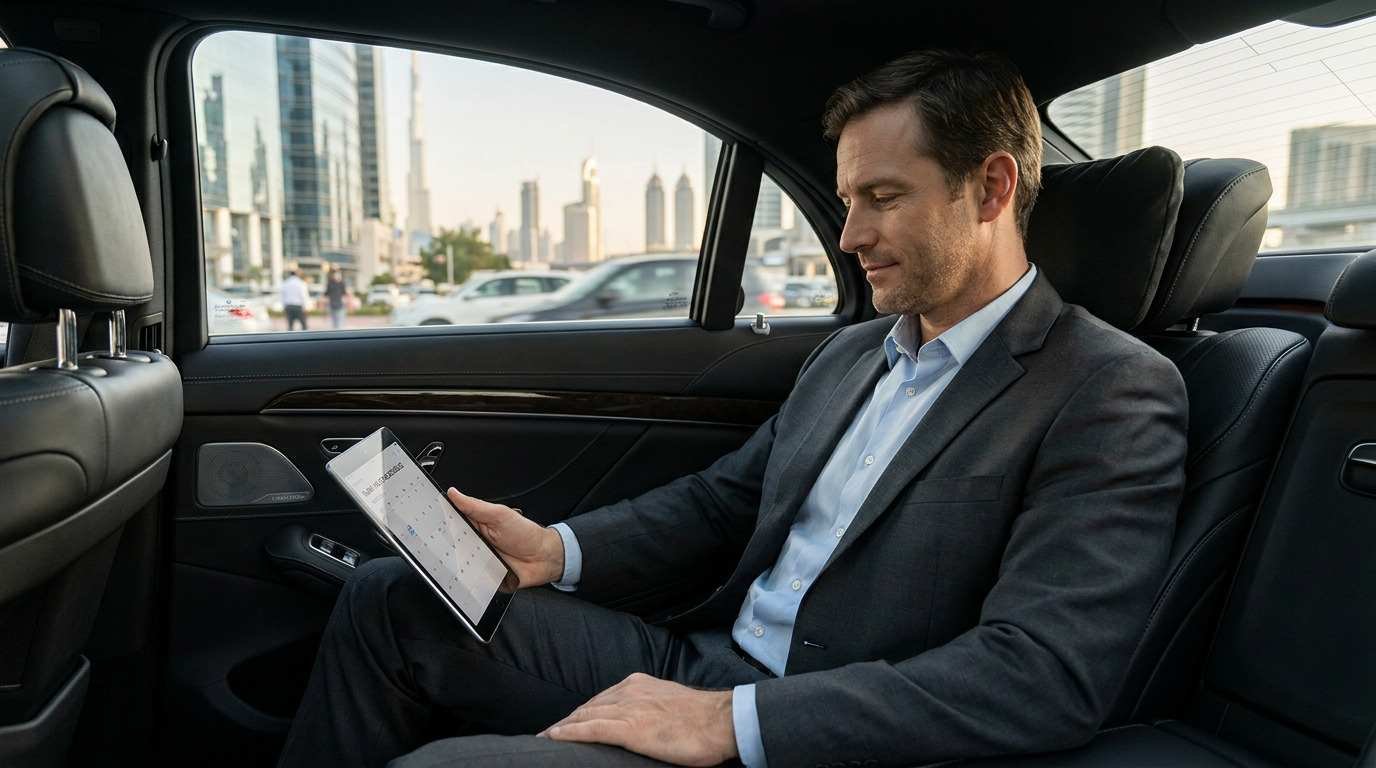
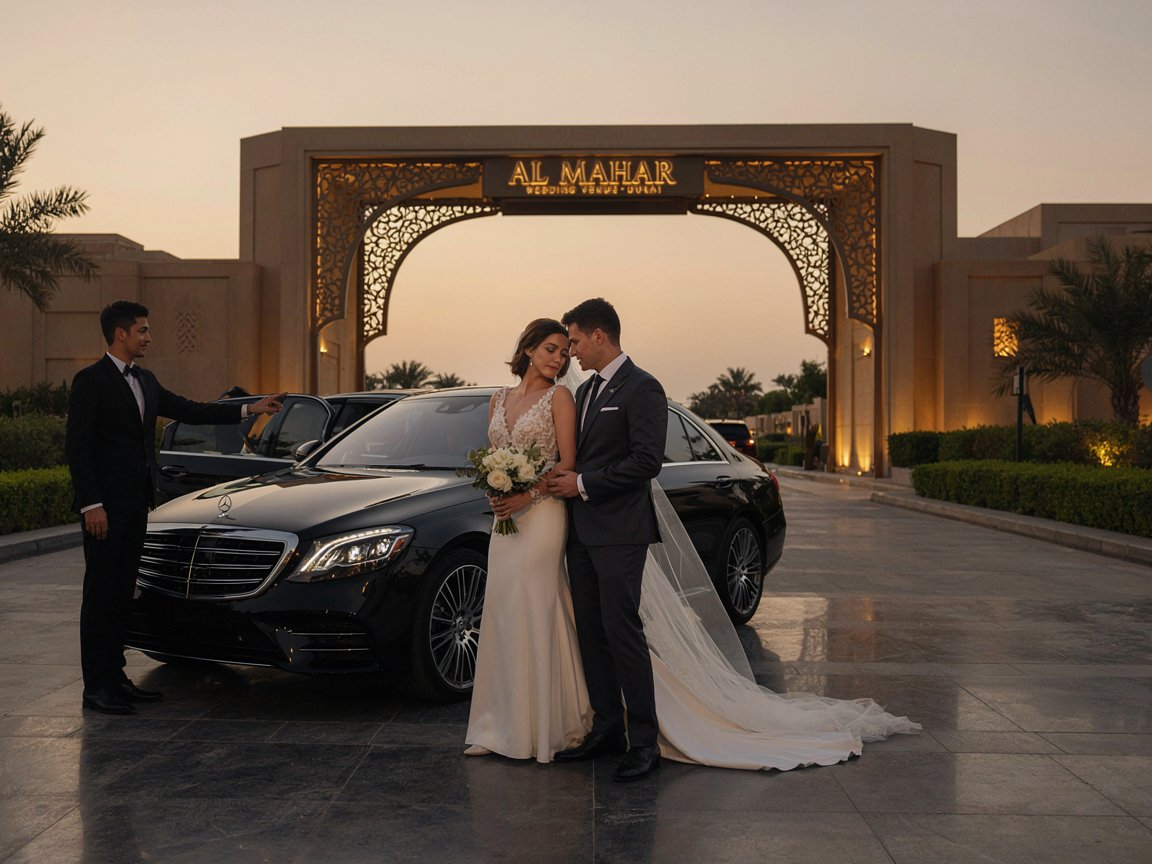
Dubai offers a wide range of luxury cars, but not every premium sedan delivers the same experience. The BMW 7 Series and Rolls-Royce Ghost represent two different approaches to luxury transportation. One focuses on modern technology, digital entertainment and executive comfort, while the other emphasises craftsmanship, refinement and a distinctive sense of occasion.
Although both vehicles occupy the upper end of the luxury sedan market, they appeal to different preferences. The BMW may suit someone who appreciates a contemporary, technology-led environment, whereas the Ghost may appeal to those who value bespoke detailing, understated prestige and a refined passenger experience.
When comparing these cars in Dubai, it is worth looking beyond their badges. Interior design, rear-seat comfort, technology, luggage capacity, driving conditions and the purpose of the journey all influence which vehicle makes more sense.
1. Exterior Design and Road Presence
The BMW 7 Series has a bold, contemporary design. Its prominent front grille, distinctive lighting and sculpted bodywork give it a strong presence on the road. The overall appearance reflects BMW’s approach to combining executive-car proportions with modern styling.
The Rolls-Royce Ghost follows a different design philosophy. Its long bonnet, upright front grille, clean body surfaces and carefully controlled detailing create a more restrained but unmistakably prestigious appearance. Rather than relying on numerous visual details, the design places emphasis on proportion, finish and craftsmanship.
In Dubai, either car can look appropriate outside a business hotel, corporate office or luxury residence. The difference lies in the impression each creates.
The BMW has a contemporary executive character, while the Ghost communicates exclusivity through a more traditional interpretation of luxury. Neither design is objectively better; the preference depends on whether the viewer values modern styling or a distinctive luxury identity.
2. Interior Design and Materials
A luxury sedan’s interior influences the journey as much as its exterior appearance. Materials, lighting, seating design, noise insulation and the layout of controls all contribute to the cabin experience.
The BMW 7 Series combines a modern dashboard with digital displays, carefully finished surfaces and technology integrated into the passenger environment. Depending on the model and specification, the interior can include advanced screen systems, ambient lighting, premium audio and comfort-oriented seating.
The Rolls-Royce Ghost takes a more craftsmanship-led approach. Its interior can feature carefully selected leather, wood veneers, detailed metal finishes and bespoke elements created around individual customer preferences. The Ghost Series II also incorporates distinctive decorative details, including an illuminated fascia, depending on the configuration.
BMW’s approach is closely connected to contemporary digital design, while Rolls-Royce places particular importance on material selection, finishing and personalisation.
These differences become more noticeable during longer journeys, when passengers spend more time experiencing the seating, lighting, materials and overall atmosphere of the cabin.
3. Rear-Seat Comfort for Chauffeur-Driven Travel
Rear-seat comfort is particularly important when a luxury sedan is used for chauffeur-driven transportation. Passengers may want to relax, read, prepare for a meeting or simply enjoy a quiet journey across the city.
The BMW 7 Series offers a range of comfort-focused features depending on its specification. Certain versions can include Executive Lounge seating, massage functions, ventilation and rear entertainment. These features can make the cabin suitable for passengers who want both relaxation and digital convenience.
The Rolls-Royce Ghost focuses on creating a refined and carefully insulated passenger environment. Its seating, cabin materials and suspension design contribute to an experience intended to feel calm and composed.
It is important not to assume that every example of either car has identical equipment. Rear-seat adjustments, entertainment systems, massage functions and other features may vary according to model year, trim and optional packages.
For chauffeur-driven journeys, practical comfort also depends on passenger height, seating position, temperature preferences and the condition of the actual vehicle. A well-maintained car with the right configuration can provide a better experience than a more highly specified vehicle that does not suit the passenger’s needs.
4. Technology and Passenger Entertainment
Technology is one of the clearest areas of comparison between the two models.
The BMW 7 Series places considerable emphasis on digital interaction. Depending on the version, features can include a curved display arrangement, connected navigation, voice control and rear-seat entertainment. Selected configurations offer a BMW Theatre Screen that allows rear passengers to watch content during the journey.
These features may be useful for business travellers who spend substantial time between meetings or passengers who enjoy digital entertainment on longer trips.
The Rolls-Royce Ghost also incorporates modern technology, but its overall cabin philosophy places more emphasis on integrating those systems into a refined environment. The Ghost Series II includes an updated digital interface, enhanced audio technology and connected functions alongside its craftsmanship-led interior.
The difference is not simply that one car has technology and the other does not. Both are technologically advanced. The more useful distinction is how that technology contributes to the passenger experience.
Someone who particularly values screen-based entertainment and a technology-oriented cabin may prefer the BMW. Someone who places greater emphasis on materials, quietness and a carefully finished interior may find the Ghost more appealing.
Equipment should always be checked against the precise vehicle specification before making a comparison.
5. Ride Quality and Driving Character
Luxury sedans are expected to combine smooth progress with stability and refinement, but they can achieve that balance in different ways.
The BMW 7 Series is designed to combine executive comfort with BMW’s focus on driving dynamics. Depending on the version and equipment, its suspension and chassis systems can adapt to road conditions and driving demands. This balance can appeal to people who appreciate a car that feels composed while retaining a connection with the road.
The Rolls-Royce Ghost uses engineering intended to make the ride feel exceptionally controlled and refined. Its Planar Suspension system, together with other chassis technologies, is designed to help the car respond smoothly to changing road surfaces.
Dubai’s road network includes busy urban streets, smooth highways and longer journeys between emirates. On these routes, suspension condition, tyre choice, wheel size and vehicle maintenance can influence ride quality considerably.
It would be too simplistic to say that one car is always more comfortable. The experience depends on the specific model, its configuration and the conditions of the journey.
For passengers, the most relevant factors are how smoothly the car travels, how much road noise enters the cabin and whether the seating remains comfortable throughout the trip.
6. Engine Performance and Refinement
The BMW 7 Series is offered with different powertrain configurations depending on market and model year. These may include petrol and plug-in hybrid versions, while the BMW i7 is the fully electric member of the broader 7 Series family.
The Rolls-Royce Ghost Series II uses a 6.75-litre twin-turbocharged V12 petrol engine. Its engineering combines substantial power with an emphasis on smooth, effortless progress rather than making performance the sole focus of the experience.
For chauffeur-driven passengers, acceleration figures alone rarely explain which car is more suitable. Smooth power delivery, cabin refinement and the way a vehicle responds in everyday traffic can matter more than its ability to accelerate quickly.
In Dubai, both vehicles have ample capability for ordinary city and highway journeys. The more meaningful comparison is the overall character: the BMW combines performance with a technology-focused executive experience, while the Ghost blends powerful performance with the refinement expected of an ultra-luxury vehicle.
Fuel consumption and running costs should be assessed separately. They depend on the exact powertrain, driving conditions, mileage and vehicle specification, so a reliable comparison requires equivalent versions rather than general assumptions about either brand.
7. Which Car Is Better for Airport Transfers in Dubai?
Airport journeys involve more than choosing a prestigious vehicle. Passengers also need adequate luggage space, suitable seating, reliable pickup arrangements and a vehicle that matches the purpose of the trip.
The BMW 7 Series can be suitable for business travellers, couples and small parties who want an executive sedan with a contemporary interior. Rear entertainment and comfort features, where fitted, may be useful after a long flight or during a transfer between the airport and a hotel.
The Rolls-Royce Ghost may appeal to travellers who prefer a more exclusive arrival experience. Its distinctive design and carefully finished cabin can be appropriate for important guests, special occasions or journeys where the overall atmosphere matters as much as the destination.
However, luggage capacity should not be judged from the vehicle’s exterior size alone. The number and dimensions of suitcases, the number of passengers and the available boot space all matter.
Before choosing either sedan, passengers should confirm the number of travellers, luggage quantity, pickup terminal and destination. The practical considerations discussed in this comparison also apply when arranging a Dubai airport transfer, where selecting a suitable vehicle can make the journey more convenient.
8. Business Meetings and Corporate Travel
Both cars can be appropriate for corporate transportation, but they create different impressions.
The BMW 7 Series has a contemporary executive identity. Its digital cabin, modern styling and available passenger technology may suit executives travelling between offices, conferences, hotels and client meetings.
The Rolls-Royce Ghost offers a different kind of presence. Its design and craftsmanship can be appropriate when the vehicle itself forms part of a formal guest experience or when a business occasion calls for a particularly distinctive level of luxury.
The choice should reflect the context rather than an assumption that the more expensive or exclusive-looking car is always the better business option.
For routine corporate journeys, comfort, punctuality, privacy and a suitable schedule may be the priorities. For welcoming a high-profile guest or attending an important occasion, the vehicle’s visual character and overall passenger experience may carry greater weight.
The same principles apply when comparing options for a wider chauffeur service in Dubai, where the purpose of the journey is as important as the vehicle category.
In either case, the quality of the transportation experience also depends on the chauffeur’s professionalism, route planning and familiarity with the itinerary.
9. Craftsmanship and Personalisation
One of the defining characteristics of Rolls-Royce is its emphasis on craftsmanship and bespoke personalisation. Ghost customers can choose from a range of materials, finishes, colours and individual details, depending on the configuration.
The Ghost Series II illustrates this approach through its illuminated fascia, carefully developed interior materials and attention to decorative detail. These elements are intended to make the vehicle feel considered and distinctive rather than simply well equipped.
The BMW 7 Series also offers premium materials, design options and different interior configurations. Its emphasis, however, is more closely associated with contemporary technology, comfort systems and a digital passenger environment.
This difference is useful when deciding what luxury means to you. For one passenger, luxury may mean a sophisticated interface, entertainment and convenient controls. For another, it may mean distinctive materials, individual finishes and a cabin with a strong sense of craftsmanship.
Neither definition is inherently more correct. They reflect different expectations from a premium vehicle.
10. Practicality, Size and Luggage Space
Although both are large luxury sedans, their practicality depends on the specific configuration and the type of journey.
BMW’s published specifications list a 540-litre luggage compartment for certain 7 Series versions. Specifications may differ between powertrains and model years, so the figure should be checked against the particular vehicle being considered.
The Ghost also offers a substantial boot, but usable space can depend on luggage shape, the number of bags and the configuration of the vehicle.
For airport transfers, it is sensible to think in terms of actual suitcases rather than relying on boot capacity figures alone. Two large suitcases and several cabin bags can create different space requirements from three medium cases.
Both cars are large sedans, so they may also require more room for parking and manoeuvring than smaller executive vehicles. Professional chauffeurs can help manage access and drop-off arrangements, but narrow entrances, busy hotel forecourts and event traffic remain practical considerations.
If the journey involves several passengers with substantial luggage, comparing a luxury sedan with a larger vehicle category may be worthwhile. The complete chauffeur fleet provides a broader view of available vehicle categories, helping travellers understand the difference between executive sedans and larger passenger vehicles.
11. Cost Considerations: What Are You Paying For?
The cost of using a BMW 7 Series or Rolls-Royce Ghost depends on whether the vehicle is being purchased, maintained or booked with a chauffeur.
For ownership, relevant expenses include purchase price, insurance, servicing, tyres, repairs, depreciation and fuel or electricity costs where applicable. These figures vary by model year, specification, mileage and market conditions.
For chauffeur-driven travel, the comparison is different. The quoted journey price may depend on the vehicle, duration, route, waiting time, mileage allowance and the terms of the booking.
The Ghost generally occupies a more exclusive luxury category, while the BMW 7 Series is positioned as a flagship executive sedan. That distinction can affect the cost of using each vehicle, but actual chauffeur rates should be compared using equivalent journey requirements.
For example, an airport transfer is not directly comparable with a five-hour booking or a full-day itinerary. A fair comparison should use the same pickup location, destination, duration, passenger count and luggage requirements.
It is also important to check which charges are included in the quote. A transparent comparison considers the total cost of the planned journey rather than looking at a headline price in isolation.
12. Which Luxury Experience Suits Different Travellers?
The BMW 7 Series may be a better match for travellers who prefer a contemporary executive environment, advanced digital features and the option of rear-seat entertainment. It can suit business trips, airport transfers and journeys where technology and comfort are both important.
The Rolls-Royce Ghost may suit travellers who value a more exclusive atmosphere, bespoke craftsmanship and a distinctive luxury identity. It can be appropriate for VIP arrivals, formal occasions and journeys where the character of the vehicle is part of the overall experience.
For ordinary city transportation, either car can provide a high level of comfort when the vehicle is properly maintained and configured for the passengers. The decision becomes more personal when the differences in styling, interior materials and technology are considered.
Neither model is automatically the right choice for every journey. The best option is the one that matches the passenger’s expectations, practical needs and budget.
BMW 7 Series vs Rolls-Royce Ghost: At-a-Glance Comparison
| Comparison factor | BMW 7 Series | Rolls-Royce Ghost |
|---|---|---|
| Overall character | Contemporary flagship executive sedan | Ultra-luxury sedan with a craftsmanship-led identity |
| Interior approach | Digital technology and modern design | Bespoke materials and refined detailing |
| Rear-seat experience | Comfort features and entertainment options, depending on specification | Refined cabin atmosphere and comfort-focused engineering |
| Technology | Strong emphasis on digital displays and connected features | Modern digital systems integrated into a luxury-focused cabin |
| Driving character | Executive comfort with a focus on driving dynamics | Effortless performance and highly refined ride engineering |
| Personalisation | Multiple equipment and trim options | Extensive bespoke options, depending on configuration |
| Corporate travel | Suited to modern executive transportation | Suited to executive travel requiring a more exclusive impression |
| Airport transfers | Suitable when passenger and luggage requirements fit | Suitable when passenger and luggage requirements fit |
| Main consideration | Equipment and technology preferences | Craftsmanship, exclusivity and overall luxury character |
This table describes the general positioning of the two model lines. Specific features vary by model year, market and optional equipment.
Frequently Asked Questions
Is the BMW 7 Series or Rolls-Royce Ghost more luxurious?
Both are luxury vehicles, but they express luxury differently. The BMW 7 Series places strong emphasis on modern technology and executive comfort. The Rolls-Royce Ghost places greater emphasis on craftsmanship, bespoke detailing and an exclusive cabin atmosphere. The preferred option depends on what the passenger values most.
Is the Rolls-Royce Ghost suitable for everyday travel in Dubai?
Yes, the Ghost can be used for everyday journeys as well as special occasions. Its suitability depends on the passenger’s preferences, the journey, access requirements and the vehicle’s configuration. Its more exclusive positioning may make it unnecessary for people who simply need comfortable executive transportation.
Does the BMW 7 Series have rear-seat entertainment?
Selected BMW 7 Series configurations offer rear-seat entertainment, including the available BMW Theatre Screen. Equipment depends on the model year and specification, so the exact features should be confirmed for the vehicle in question.
Which car is better for airport transfers?
Either vehicle can suit an airport transfer if its seating and luggage capacity match the passengers’ needs. The BMW may appeal to those who prefer a technology-focused executive cabin, while the Ghost may suit passengers who prioritise an ultra-luxury atmosphere.
Is the Rolls-Royce Ghost more expensive to maintain?
Maintenance costs depend on the vehicle’s age, condition, mileage, warranty, parts and service requirements. The Ghost belongs to a more exclusive luxury category, but a meaningful cost comparison requires quotes and maintenance information for specific vehicles.
Which car is better for corporate clients?
The BMW 7 Series may suit corporate clients who prefer modern styling and digital features. The Ghost may be more appropriate when a distinctive luxury presentation is important. Both can be suitable for business transportation, depending on the occasion and the passenger’s expectations.
Should I choose a luxury sedan based on brand reputation alone?
No. Brand reputation is only one consideration. Passenger comfort, luggage space, vehicle condition, equipment, journey length and total cost should also influence the decision.
Conclusion
The BMW 7 Series and Rolls-Royce Ghost represent two different interpretations of modern luxury. The BMW focuses on a technology-rich executive experience, combining contemporary design with comfort and digital convenience. The Ghost places greater emphasis on craftsmanship, individual detailing and a refined atmosphere.
For travellers who appreciate advanced screens and a modern executive cabin, the BMW may be the more suitable choice. For those who value bespoke materials and a distinctive sense of exclusivity, the Ghost may be more appealing.
Ultimately, the better car depends on the journey and the passenger. Comparing the actual specification, seating comfort, luggage requirements and total cost will provide a more useful answer than relying on brand prestige alone.