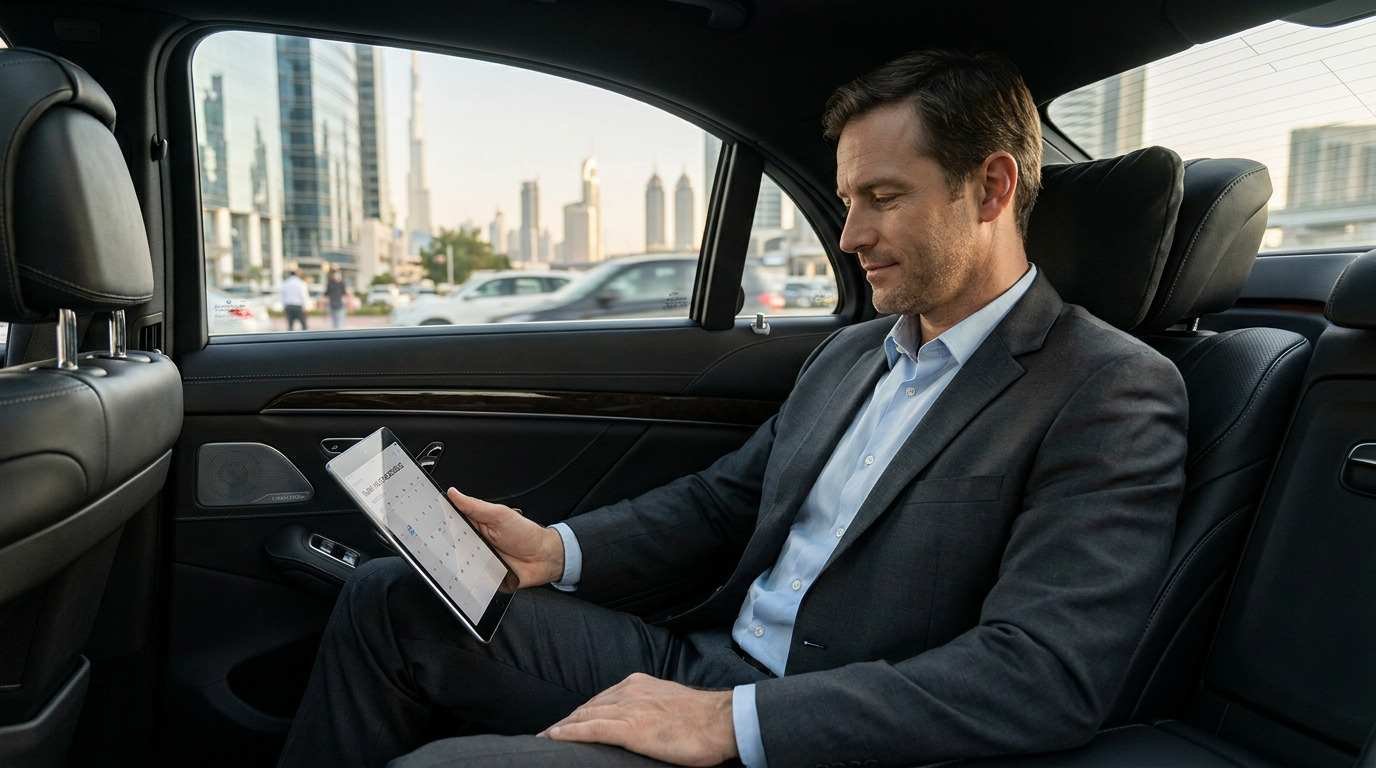
Top Attractions to Visit with a Chauffeur in Dubai
Introduction: The Dubai Dilemma
Dubai is a city that defies expectations at every turn. It is a place where ancient trading heritage coexists with futuristic architecture, where golden desert dunes meet a glittering coastline of world-class resorts, and where traditional souks sit in the shadow of the tallest building on Earth. Yet for all its wonders, Dubai is also a sprawling metropolis with long distances, intense summer heat, and notoriously busy tourist zones. Navigating this dynamic city independently can quickly become exhausting, which is precisely why a private chauffeur is not merely a luxury indulgence but the most practical and rewarding way to experience everything the emirate has to offer. With a professional driver handling navigation, traffic, parking, and tolls, you are liberated to focus entirely on the spectacular sights around you, moving at your own pace and on your own schedule.
Why a Chauffeur Transforms Your Dubai Experience
Dubai's attractions are spread across a vast urban landscape that stretches along the Arabian Gulf coast and into the desert interior. The distances between landmarks are deceptively large—the historic gold souks of Deira and the glass towers of Downtown are separated by busy motorways, while the desert safari camps lie a significant drive beyond the city's outer suburbs. The climate adds another layer of challenge; for much of the year, temperatures soar well above forty degrees Celsius, making extended walks or waits for ride-hailing services not just uncomfortable but potentially unsafe.
A private chauffeur service addresses all of these challenges with effortless grace. Your driver arrives in a meticulously maintained luxury vehicle, pre-cooled to your preferred temperature, and waits patiently while you explore each attraction. There is no circling for parking, no wrestling with unfamiliar traffic laws, no anxiety about finding your way back through labyrinthine streets. The driver handles toll gates automatically, knows the shortcuts to avoid congestion, and can recommend the optimal times to visit popular sites to dodge the worst of the crowds.
Beyond mere logistics, a professional chauffeur brings local knowledge that transforms a standard sightseeing itinerary into a curated personal adventure. Drivers often have years of experience navigating Dubai's evolving landscape and can share insights about the city's rapid transformation, point out hidden gems that guidebooks miss, and suggest authentic dining spots away from the tourist traps. For families with young children, this means the flexibility to modify plans on short notice when little ones need a break. For business travelers, it means arriving at meetings composed and refreshed. For everyone, it means seeing Dubai from a vantage point of comfort, safety, and unrivaled elegance.
The Modern Marvels of New Dubai
The Burj Khalifa and the Heart of Downtown
No visit to Dubai is complete without standing in the presence of the Burj Khalifa, the tallest structure ever built by human hands. Soaring 828 meters into the desert sky, this architectural masterpiece is the undisputed icon of the city's ambition and vision. The experience begins long before you ascend to the observation decks, as the tower's imposing silhouette dominates the skyline from almost every corner of the city. From the observation decks on the upper floors, the views are nothing short of breathtaking—the Arabian Gulf stretches to the horizon on one side, while the endless desert sands roll away on the other, offering a perspective on Dubai's dramatic transformation that is simply unforgettable.
Arriving at the Burj Khalifa with a chauffeur eliminates one of the most significant hassles of visiting this world-famous landmark. The surrounding Downtown district is perpetually crowded, and parking can be a nightmare of circling, queuing, and walking long distances. Your driver drops you directly at the entrance, ensuring you arrive on time for your timed-entry ticket, and is ready to collect you the moment you descend. This efficiency is particularly valuable at sunset, when the views are most spectacular but the crowds are at their peak.
The Downtown district itself is a destination worthy of exploration. The Dubai Mall, which sprawls at the base of the Burj Khalifa, ranks among the largest shopping and entertainment complexes on the planet. Beyond its twelve hundred retail outlets, the mall houses remarkable attractions including an enormous indoor aquarium and underwater zoo, an Olympic-sized ice rink, and countless dining options ranging from casual cafes to Michelin-starred restaurants. Stepping outside as evening falls, you encounter the Dubai Fountain—a choreographed water, light, and music spectacle that ranks among the world's most impressive fountain shows. Streams of water soar as high as 140 meters, dancing in perfect synchronization to a rotating playlist of classical, contemporary, and traditional Arabic music. The shows run every thirty minutes, and the atmosphere around the lake is electric with excitement. Having your chauffeur on standby means you can linger as long as you wish, then depart without the stress of navigating crowded streets or waiting in long taxi queues.
The Dubai Frame: A Window Between Past and Future
Standing proudly in Zabeel Park, the Dubai Frame is one of the city's most innovative and symbolic landmarks. This colossal golden structure, rising 150 meters into the sky, takes the form of a picture frame—a literal framing of Dubai's remarkable story. The concept behind the Frame is beautifully simple yet profoundly meaningful: from its glass-floored sky bridge at the top, visitors can look northward to see the historic neighborhoods of Old Dubai, with their wind towers and traditional souks, while the southern view reveals the futuristic skyline of New Dubai, dominated by the Burj Khalifa and the gleaming towers of Downtown. It is a visual representation of Dubai's journey from a modest fishing and pearling settlement to a global metropolis, all captured from a single vantage point.
The experience of crossing the glass-floored bridge, suspended 150 meters above the park below, is not for the faint-hearted, but it rewards visitors with a perspective on the city that no other attraction can match. The museum galleries within the Frame use immersive technology to showcase Dubai's rapid transformation, offering visitors a deeper understanding of the emirate's heritage and vision. Because the Frame is a relatively quick stop that can be completed in under an hour, it fits seamlessly into a broader itinerary, and a chauffeur makes it effortless to include between larger attractions.
The Museum of the Future: Innovation in Action
Dubai's Museum of the Future is one of the most striking architectural landmarks to emerge in recent years, and its very design declares that this is not a conventional museum. The torus-shaped structure, with its dramatic elliptical void at the center, is a feat of engineering artistry, its exterior covered in flowing Arabic calligraphy that features inspirational quotes from the Ruler of Dubai. The building itself is a statement of ambition, and the experience inside matches the promise of its exterior.
The museum is dedicated to exploring the possibilities of tomorrow, with immersive exhibits focused on space exploration, artificial intelligence, human augmentation, sustainability, and the future of communities. Visitors are invited not just to observe but to participate in interactive experiences that challenge conventional thinking about what the future might hold. One of the most popular zones, the space station simulation, offers a journey into the cosmos, while other exhibits explore the potential of robotics, genetic engineering, and ecological innovation. The museum attracts visitors from around the world who are fascinated by technology and futurism, and it has quickly become one of Dubai's most talked-about attractions. Even stopping for photographs outside this architectural marvel is worthwhile, and with a chauffeur, you can easily incorporate it into a broader tour of modern Dubai.
The Dubai Marina and Jumeirah Beach Residence
For those who appreciate waterfront living and vibrant evening atmospheres, the Dubai Marina is an essential stop. This meticulously planned district features an extensive promenade lined with restaurants, cafes, and shops, all set against the backdrop of a sprawling artificial marina filled with luxury yachts. Walking along the Marina's edge, particularly as the sun begins to set, offers a perspective on Dubai that feels both glamorous and relaxed.
Just beyond the Marina lies Jumeirah Beach Residence, commonly known as JBR, one of the city's most popular beachfront destinations. The Walk, a palm-tree-lined promenade, is packed with open-air cafes, street performers, and boutique shops. The Beach, which runs alongside The Walk, offers soft golden sand and excellent views of the Dubai skyline rising in the distance. During the cooler months, this area buzzes with energy from morning until late evening, and the dining options range from casual shawarma stands to elegant seafood restaurants. A chauffeur is particularly valuable here, as the Marina and JBR area can become extremely congested, particularly on weekends and holiday evenings. Rather than facing the frustration of finding a parking space or waiting for a ride-hailing car, you can enjoy a leisurely dinner and then step directly into your waiting vehicle.
The Palm Jumeirah and Atlantis
The Palm Jumeirah is one of Dubai's most audacious engineering projects, a man-made island shaped like a palm tree that extends dramatically into the waters of the Arabian Gulf. It is an extraordinary vision made real, and exploring its full extent requires time and comfortable transport. The trunk of the palm is lined with luxury hotels, residential towers, and beach clubs, while the fronds host some of the city's most exclusive villa communities.
At the end of the trunk, standing at the edge of the crescent that protects the island, lies Atlantis, The Palm—a magnificent resort hotel designed to resemble a lost ocean civilization. Atlantis is a destination unto itself, offering attractions that appeal to visitors of all ages. The aquarium takes guests beneath the surface to explore the mysterious ruins of a mythical underwater civilization, surrounded by thousands of marine creatures. The waterpark, one of the region's largest, features thrilling water slides, a lazy river, and private beaches. For those seeking relaxation, the resort's spa and multiple restaurants, including celebrity chef outlets, provide sophisticated options. Driving along the Palm's crescent offers breathtaking views of both the Arabian Gulf and the Dubai skyline, and having a chauffeur means you can take in these vistas without needing to navigate the island's sometimes confusing road network. For families, a luxury SUV ensures ample space for everyone and their belongings, making a day at Atlantis completely stress-free.
The Heritage Heart: Discovering Old Dubai
Beyond the glittering towers and mega-malls lies a completely different Dubai—a world of narrow sandy lanes, wind-tower houses, bustling souks, and a creek where wooden abras have ferried traders and passengers for generations. This is Old Dubai, the heritage heart of the city, and for many travelers it proves the most rewarding and characterful part of the entire visit.
Al Fahidi Historical Neighbourhood
The Al Fahidi Historical Neighbourhood, also known as Al Bastakiya, is the crown jewel of Old Dubai. This beautifully restored quarter, nestled along the banks of Dubai Creek, offers a glimpse into the city's life before the discovery of oil and the explosion of modern development. Its sand-colored buildings are distinctive for their barjeel—traditional wind towers that captured even the slightest breeze and channeled it downward to cool the interiors, a remarkable form of passive air conditioning that dates back centuries.
Wandering through Al Fahidi's narrow alleyways feels like stepping back in time. Hidden courtyards reveal serene spaces with fountains, leafy trees, and comfortable seating where visitors can pause and reflect. The neighborhood is dotted with small museums and cultural spaces that tell stories of Dubai's pearling past, seafaring heritage, and trading traditions. The Coffee Museum, nestled within one of the historic houses, is a delightful stop where visitors can learn about the history of coffee cultivation and preparation while sampling cardamom-spiced Arabic coffee and fresh dates. Art galleries, artisan workshops, and heritage houses are interspersed throughout the district, making every turn a potential discovery. The contrast between this peaceful, low-rise neighborhood and the towering glass skyline visible just beyond its boundaries is a powerful visual reminder of how dramatically Dubai has transformed in a single generation.
Dubai Creek and the Abra Crossing
Dubai Creek is the historic artery of the city, a saltwater inlet that separates the districts of Bur Dubai and Deira. For centuries, this waterway was the hub of Dubai's trading economy, with wooden dhows from across the Indian Ocean arriving laden with goods from Persia, India, East Africa, and beyond. The creek remains a working waterway, and the sight of traditional dhows being loaded and unloaded along the banks is a living connection to the city's mercantile past.
The most authentic way to experience Dubai Creek is aboard an abra, a small wooden motorboat that has ferried passengers across the water for generations. The crossing takes just a few minutes and costs only a few dirhams, but it offers a wonderful vantage point for viewing both the old waterfront and the modern skyline. Watching the city from the water, with the wind towers of Al Fahindi on one side and the glass towers of Downtown on the other, is a moment that captures Dubai's unique character. A chauffeur can easily facilitate this experience by dropping you at one abra station and meeting you on the other side, allowing you to enjoy the crossing without worrying about returning to a starting point.
The Souks: Gold, Spice, and Textiles
On the Deira side of the creek, reached easily by abra, lie Dubai's legendary traditional souks. The Gold Souk is one of the most dazzling shopping experiences anywhere in the world—lane after lane of shop windows overflowing with gold jewelry in every conceivable design. The sheer volume of gold on display is staggering, and even if you have no intention of purchasing, the spectacle is unforgettable. Haggling is expected and can be an enjoyable part of the experience, with prices fluctuating based on the global gold market and the skill of the buyer.
The Spice Souk, located nearby, engages entirely different senses. The air is thick with the aromas of saffron, cinnamon, dried limes, frankincense, and the distinctly pungent scent of black lemons. Stalls overflow with colorful piles of spices, herbs, nuts, and dried fruits, and the vendors are often happy to discuss the uses and origins of their wares. It is a sensory feast, particularly for those interested in cooking or food culture.
Back on the Bur Dubai side, the Textile Souk and Meena Bazaar offer a different sort of treasure hunt. Fabrics of all descriptions—silks, pashminas, cottons, and embroidered textiles—are available in a riot of colors and patterns. This area is also home to numerous tailor shops that can create custom clothing on a short turnaround. Exploring the souks is an immersive, energetic experience, and having a chauffeur who knows the area means you can be dropped at the most convenient entrance and collected at an agreed meeting point, never having to carry your purchases far in the heat.
Al Seef and Al Shindagha
Two additional creekside districts round out the Old Dubai experience. Al Seef is a modern, heritage-inspired promenade that extends along the Bur Dubai side of the creek, blending traditional architectural elements with contemporary shops, cafes, and restaurants. It is a pleasant, relaxed place for a stroll, with excellent views across the water to the Deira skyline and numerous spots to sit and watch the abras and dhows pass by. In the evening, the area lights up beautifully, making it an ideal location for a sunset walk followed by dinner.
The Al Shindagha Historic District, located nearby, offers a deeper dive into Dubai's history. This neighborhood was home to the ruling Al Maktoum family, and their restored houses are now open to visitors as part of an extensive heritage museum complex. Exhibitions explore Dubai's pearling and fishing heritage, traditional crafts, and the social history of the community. The attention to detail in the restoration work is impressive, and the museum experience is enriched by interactive elements and thoughtful curation. Both Al Seef and Al Shindagha are easy stops to include in a chauffeur-driven itinerary, allowing for an unhurried, immersive exploration of Dubai's heritage.
Seasonal and Beyond-the-City Attractions
Global Village and Dubai Miracle Garden
For visitors arriving during the cooler months, two seasonal attractions on the edge of the city are well worth the journey. Global Village is a sprawling cultural and entertainment park that operates from approximately October to April, featuring pavilions representing dozens of countries from around the world. Each pavilion offers authentic crafts, cuisine, and entertainment, creating a vibrant atmosphere of cultural exchange. Visitors can sample Moroccan tagines, watch Indian traditional dances, purchase Afghan rugs, and enjoy Thai street food—all in a single evening. The park also features carnival rides, musical performances, and spectacular fireworks displays on certain nights. Global Village draws enormous crowds, and the parking can be daunting, making a chauffeur an invaluable convenience.
The Dubai Miracle Garden, also seasonal, is a horticultural wonder that defies the desert climate. This vast garden bursts with more than fifty million flowers arranged into staggering displays—heart-shaped arches, life-sized houses, towering floral castles, and even a full-scale replica of an Emirates Airbus, all covered in blooming blossoms. The garden is a photographer's dream, and its beauty is genuinely surprising given its desert location. Like Global Village, it is located well away from the city center, and having a private chauffeur eliminates the expense and hassle of long ride-hailing trips, particularly at closing time when crowds all depart simultaneously.
The Desert at Dusk
Just beyond Dubai's outer suburbs, the urban landscape gives way to the undulating dunes of the Arabian Desert. This transition is one of the most dramatic in the world, and experiencing it at golden hour, when the sun paints the sands in shades of orange and gold, is unforgettable. A desert safari is the classic Dubai experience, offering dune bashing in robust 4x4 vehicles, camel rides across the sands, sandboarding down steep slopes, and, as night falls, dinner in a Bedouin-style camp under a canopy of stars. Traditional entertainment including tanoura dancing, fire shows, and belly dancing typically accompanies the meal.
Choosing a private chauffeur for this excursion, rather than a crowded tour bus, elevates the experience significantly. You control the timing—leaving at a convenient hour, spending as long as you wish at each activity, and returning when you are ready. The vehicle, a comfortable 4x4 designed for off-road driving, is exclusively yours, and your driver serves as both chauffeur and desert guide, ensuring that the journey is as memorable as the destination.
Day Trips Beyond Dubai
With a private chauffeur at your disposal, destinations beyond Dubai become genuinely accessible. The Hajar Mountains, which rise along the eastern edge of the emirate, offer a landscape entirely different from the coast. The drive to Hatta, a historic mountain village, takes visitors through wadis (dry riverbeds) and past rocky peaks. Hatta is home to a turquoise dam where visitors can kayak through the tranquil waters, surrounded by dramatic mountain scenery. The Hatta Heritage Village provides insights into traditional mountain life, with restored houses and a watchtower offering panoramic views.
For those with more time, a day trip to Abu Dhabi, the capital of the United Arab Emirates, is a rewarding excursion. The drive along the coast takes approximately an hour and a half, and the city offers world-class attractions including the magnificent Sheikh Zayed Grand Mosque, one of the largest and most beautiful mosques in the world, and the Louvre Abu Dhabi, an art museum that houses treasures spanning human civilization. The journey passes through a changing landscape of desert, industrial zones, and coastal vistas, and leaving the driving to a professional allows you to relax completely and enjoy the scenery.
Planning Your Chauffeur Experience in Dubai
Making the most of your chauffeur experience begins with selecting the right vehicle for your group. A luxury sedan provides the ultimate in refinement for couples or solo travelers, while a spacious SUV ensures comfort and luggage capacity for families. For larger groups, an MPV offers comfortable seating for up to seven passengers, with ample space for everyone's belongings. Many chauffeur services maintain fleets of late-model vehicles from prestigious brands, ensuring both comfort and style.
When planning your itinerary, consider the rhythm of Dubai's climate and crowds. Mornings are generally less crowded at most attractions, and the cooler months from November to March offer more comfortable conditions for outdoor exploration. Your chauffeur can advise on the best times to visit specific sites to avoid peak congestion, and their local knowledge can help you craft an itinerary that balances iconic landmarks with unexpected discoveries. Whether you choose a full-day comprehensive tour, a half-day focused on a single district, or a series of evening excursions, the key is to move at your own pace, linger at sites that captivate you, and skip those that don't resonate.
Beyond the logistics of transportation, the true value of a chauffeur lies in the freedom it provides—the freedom to be spontaneous, to explore without anxiety, and to see Dubai through the eyes of someone who knows its secrets. It is about arriving at each destination refreshed and composed, with the energy to fully engage with the experience. It is about ending each day not exhausted by navigating unfamiliar streets, but invigorated by the wonders you have discovered. In a city of superlatives, a chauffeur-driven tour may well prove to be the most luxurious and rewarding investment you make in your Dubai experience.
Frequently Asked Questions About Private Chauffeurs in Dubai
Q1: Is a private chauffeur really worth the extra cost compared to taxis?
A: For most visitors, absolutely. The value lies in consistency, reliability, safety, and the premium experience. Instead of hoping for a good driver each time, you get a known, vetted professional every time. You also save significant time through your chauffeur's local knowledge and avoid the stress of parking, navigation, and surge pricing.
Q2: How much does a private chauffeur typically cost in Dubai?
A: Rates vary by vehicle type and duration. Hourly rates for standard executive sedans start around 100–200 dirhams, while luxury vehicles range from 300–600 dirhams per hour. Full-day bookings (8–10 hours) typically cost 800–1,500 dirhams for standard service and 2,000–5,000 dirhams for premium luxury vehicles.
Q3: Can I book a chauffeur for airport pickup and drop-off?
A: Yes, airport transfers are one of the most popular services. Your chauffeur will meet you in the arrivals hall with a sign bearing your name, assist with your luggage, and escort you to the vehicle. They monitor your flight in real time to adjust for delays.
Q4: Are child seats available with chauffeur services?
A: Yes, most reputable companies provide child seats upon request. Be sure to specify the ages and weights of your children when booking so they can provide the appropriate seats.
Q5: What types of vehicles are available?
A: Options typically include executive sedans (Mercedes S-Class, BMW 7-Series, Audi A6), luxury SUVs (Range Rover, Mercedes G63, BMW X7), VIP vehicles (Rolls-Royce, Bentley), and larger vehicles for groups (Mercedes V-Class, Cadillac Escalade).
Q6: Should I tip my chauffeur?
A: Tipping is not mandatory but is appreciated for good service. A tip of 10–15% of the fare is standard for professional, courteous service. Some companies include gratuity in the final price, so check your booking details.
Q7: How far in advance should I book?
A: At least 24–48 hours in advance is recommended. During peak tourist seasons (October to April) or for large events, book 1–2 weeks ahead to secure availability.
Q8: Can my chauffeur help with restaurant recommendations or reservations?
A: Yes, your chauffeur is a local expert who can recommend authentic restaurants, suggest the best times to visit attractions, and offer insider tips that guidebooks miss. Some drivers may even help with making reservations if you ask.