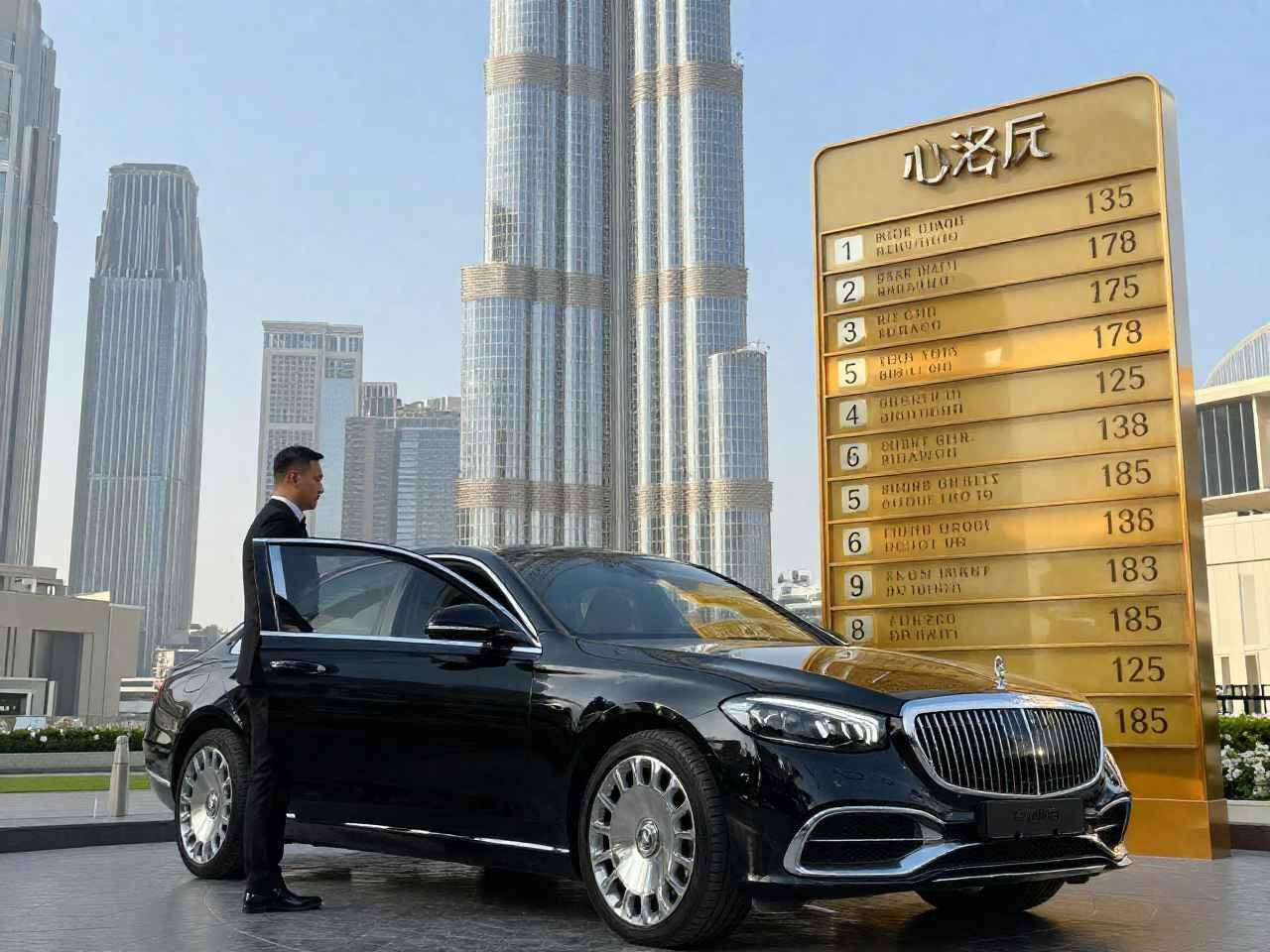
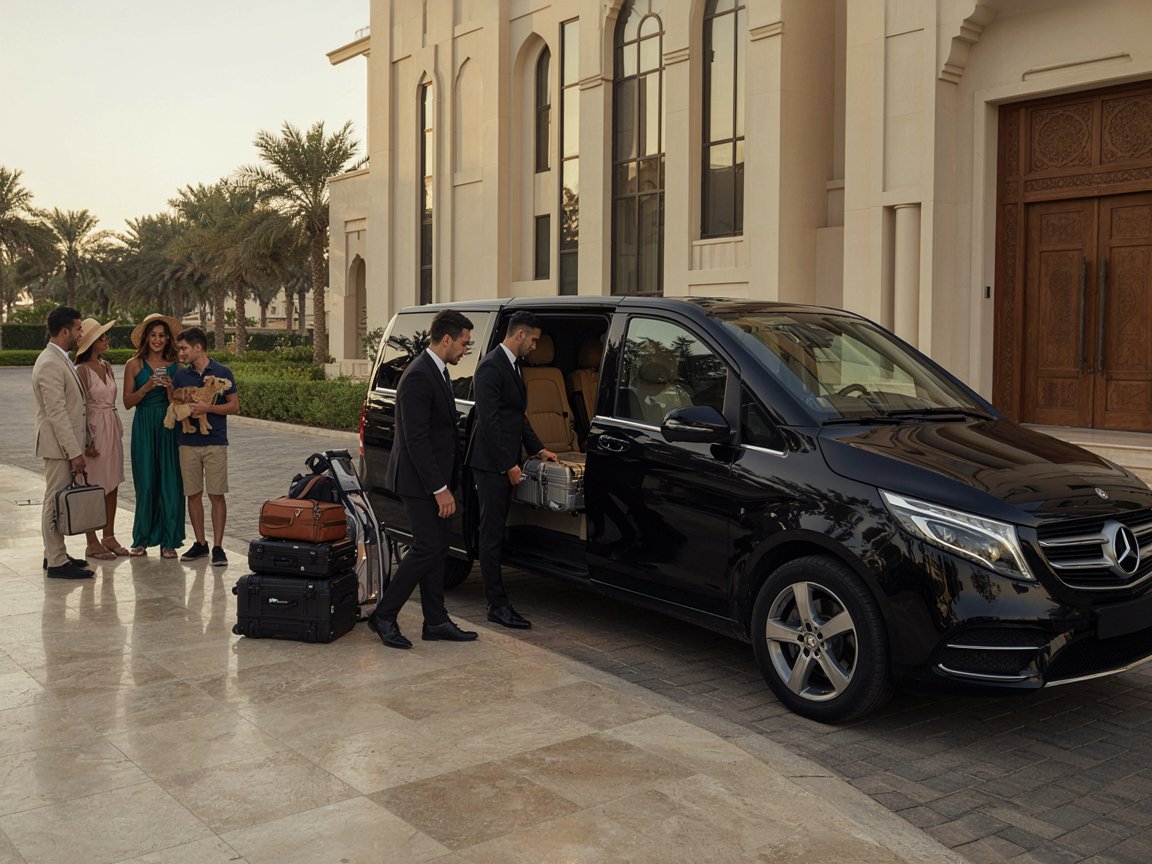
In Dubai’s thriving transportation and hospitality landscape, the terms “chauffeur” and “driver” are often used interchangeably in casual conversation. However, within the professional transportation industry, these two roles are fundamentally distinct, separated by significant differences in training, responsibilities, service standards, compensation, and the overall passenger experience they deliver. Understanding these distinctions is essential for anyone seeking to hire professional transportation services, for individuals considering a career in the industry, and for businesses that rely on ground transportation for their executives and VIP guests.
The difference between a chauffeur and a driver in Dubai is not merely semantic. It represents a profound philosophical divide between simply operating a vehicle and delivering a comprehensive luxury service experience. A driver’s primary responsibility is to transport a passenger safely from Point A to Point B. A chauffeur’s responsibility extends far beyond that—to provide an exceptional, personalized, and anticipatory service that enhances the passenger’s comfort, productivity, and prestige while protecting their privacy and reflecting their status.
This comprehensive guide explores every dimension of this distinction, from regulatory requirements and training protocols to daily responsibilities, service expectations, and career trajectories. By the end, you will have a clear understanding of why chauffeurs command premium rates, why they are essential for executives and VIPs, and why the distinction matters in Dubai’s sophisticated transportation market.
The Fundamental Philosophical Difference
At its core, the difference between a chauffeur and a driver lies in the philosophy of service. A driver views their role as transactional: they are hired to operate a vehicle and deliver a passenger to a destination. Once the passenger exits the vehicle, the driver’s responsibility ends. Their focus is on the mechanics of driving—navigating roads, obeying traffic laws, and ensuring the vehicle arrives safely.
A chauffeur, by contrast, views their role as relational and holistic. They are not merely transporting a passenger; they are curating an experience. Every interaction, from the initial greeting to the final farewell, is carefully orchestrated to make the passenger feel valued, respected, and cared for. The chauffeur understands that their performance directly impacts the passenger’s mood, productivity, and reputation. They take pride in delivering flawless service, not just safe transportation.
This philosophical difference manifests in countless practical ways. A driver might consider a journey successful if they arrive on time without incident. A chauffeur considers a journey successful only if the passenger felt genuinely comfortable, well-cared-for, and impressed by the level of service. This distinction in mindset is the foundation upon which all other differences between the two roles are built.
Regulatory Requirements and Licensing in Dubai
In Dubai, both chauffeurs and drivers must comply with regulatory requirements established by the Roads and Transport Authority (RTA). However, the specific licenses and permits they hold, as well as the requirements to obtain them, differ significantly.
The Basic Driver’s License
Any individual operating a commercial vehicle in Dubai must possess a valid UAE driving license. For professional drivers, this typically means obtaining a commercial driving license, which requires passing specific tests and meeting certain eligibility criteria, including minimum age requirements, medical fitness, and a clean driving record. The process involves theoretical examinations, practical driving tests, and background checks.
The Professional Chauffeur License
Chauffeurs, particularly those working for luxury transportation companies, typically hold additional certifications and licenses that go beyond the basic commercial driving license. These may include specialized chauffeur permits that require additional training, background checks, and demonstration of professional competencies. Some premium chauffeur services also require their chauffeurs to obtain international certifications such as defensive driving certificates, first aid training, and customer service qualifications.
The RTA in Dubai has specific categories for different types of commercial driving, and chauffeurs often fall into the highest tier of professional licensing. This ensures that they meet elevated standards for safety, professionalism, and service quality. The additional requirements reflect the fact that chauffeurs are entrusted with the care of high-value passengers and are expected to perform at a higher level than ordinary drivers.
Company-Specific Requirements
Beyond regulatory requirements, luxury chauffeur companies in Dubai impose their own rigorous standards. These may include minimum experience requirements, clean background checks, language proficiency, professional appearance standards, and successful completion of the company’s proprietary training programs. These internal standards are often far stricter than regulatory requirements and are designed to ensure that every chauffeur embodies the company’s brand values and service philosophy.
Training and Skill Development
The training that chauffeurs and drivers receive differs dramatically in scope, depth, and focus. While drivers receive training primarily focused on safe vehicle operation and traffic regulations, chauffeurs undergo comprehensive training that encompasses every aspect of luxury service delivery.
Driver Training: Focus on Safety and Compliance
Driver training programs in Dubai typically cover the following areas:
-
Traffic laws and regulations specific to the UAE and Dubai
-
Safe driving techniques and accident avoidance
-
Vehicle operation and basic maintenance
-
Route knowledge and navigation
-
Basic customer service
-
Emergency procedures and first aid
This training is designed to produce competent, safe drivers who can operate vehicles professionally and reliably. The focus is primarily on the technical aspects of driving and ensuring compliance with legal requirements.
Chauffeur Training: A Comprehensive Service Education
Chauffeur training goes far beyond these basics. It encompasses a holistic education in luxury service, professional etiquette, and passenger care. Key components of chauffeur training include:
Advanced Driving Techniques: Chauffeurs are trained in advanced driving skills that emphasize smoothness, precision, and passenger comfort. This includes techniques for gentle acceleration and braking, cornering at optimal speeds, and anticipating road conditions to minimize disruption to passengers.
Professional Etiquette and Communication: Chauffeurs receive extensive training in professional etiquette, including proper greetings, appropriate conversation, discretion, and non-verbal communication. They learn how to read passengers, adapt their behavior to different personalities and cultures, and maintain appropriate boundaries.
Cultural Sensitivity: Given Dubai’s diverse population, chauffeurs are trained to understand and respect cultural differences. This includes knowledge of appropriate greetings, physical contact norms, and communication styles across various cultures.
Anticipatory Service: The hallmark of chauffeur training is learning to anticipate passenger needs before they are expressed. This includes monitoring passenger comfort, adjusting vehicle settings proactively, and preparing for potential issues before they arise.
Privacy and Confidentiality: Chauffeurs are trained in strict privacy protocols, understanding that they may be privy to sensitive information and must protect it absolutely.
Vehicle Presentation and Maintenance: Chauffeurs learn to maintain their vehicles in immaculate condition, performing pre-journey inspections, keeping the interior spotless, and ensuring all systems are functional.
Emergency Response and Security: Chauffeurs receive advanced training in emergency procedures, security awareness, and defensive driving techniques to protect their passengers in any situation.
Technology Proficiency: Chauffeurs must be proficient in operating all vehicle technology systems, including entertainment, connectivity, and climate control features.
Daily Responsibilities and Scope of Work
The daily responsibilities of a driver and a chauffeur differ significantly in scope and expectation. Understanding these differences is crucial for employers and passengers alike.
A Driver’s Daily Responsibilities
A driver’s responsibilities are primarily focused on the safe and efficient operation of the vehicle:
-
Inspecting the vehicle before the journey to ensure it is roadworthy
-
Planning and following the most efficient route to the destination
-
Driving safely and obeying all traffic laws
-
Arriving at the destination on time
-
Assisting with luggage or other items as needed
-
Maintaining basic cleanliness of the vehicle
-
Reporting any vehicle issues or incidents to the employer
While these responsibilities are important, they represent a relatively narrow scope of work focused on the mechanics of transportation.
A Chauffeur’s Daily Responsibilities
A chauffeur’s responsibilities encompass everything a driver does, plus a comprehensive array of additional duties that transform transportation into a luxury experience:
Pre-Journey Preparation: Before the passenger even enters the vehicle, the chauffeur has already:
-
Thoroughly inspected and cleaned the vehicle
-
Confirmed the journey details and any special requests
-
Checked traffic conditions and planned optimal routes
-
Ensured the vehicle is stocked with refreshments and amenities
-
Set the climate control to the passenger’s preferred temperature
-
Verified that all technology systems are functional
-
Coordinated any necessary logistics with the passenger’s team
Passenger Reception: Upon the passenger’s arrival, the chauffeur:
-
Greets the passenger warmly and professionally by name
-
Opens the door and assists with luggage or other items
-
Confirms the destination and any itinerary details
-
Ensures the passenger is comfortably settled before departing
During the Journey: Throughout the journey, the chauffeur:
-
Drives with exceptional smoothness and precision
-
Monitors passenger comfort and adjusts settings proactively
-
Maintains a quiet, distraction-free environment
-
Is available for assistance but never intrusive
-
Provides updates on journey progress as appropriate
-
Anticipates and addresses any needs that arise
Post-Journey Duties: After the passenger exits, the chauffeur:
-
Ensures the passenger has all their belongings
-
Confirms any follow-up arrangements
-
Tidies the vehicle in preparation for the next journey
-
Reports any issues or feedback to the service provider
Service Standards and Passenger Experience
The service standards expected of drivers and chauffeurs differ dramatically, reflecting the different roles they play in the passenger’s experience.
Driver Service Standards
Drivers are expected to provide safe, reliable, and courteous service. The key metrics for evaluating a driver’s performance typically include:
-
Safety record and adherence to traffic laws
-
Punctuality and reliability
-
Basic courtesy and professionalism
-
Vehicle cleanliness and maintenance
-
Passenger comfort (basic)
While these standards are important, they represent a baseline level of service that passengers expect from any professional driver.
Chauffeur Service Standards
Chauffeurs are held to significantly higher standards that encompass every aspect of the passenger experience:
Impeccable Presentation: The chauffeur’s personal appearance must be flawless—uniform freshly pressed, shoes polished, grooming immaculate.
Exceptional Communication: The chauffeur must communicate professionally at all times, adapting their style to the passenger’s preferences and maintaining appropriate discretion.
Anticipatory Service: The chauffeur must anticipate passenger needs and address them proactively, without waiting to be asked.
Absolute Discretion: The chauffeur must protect passenger privacy completely, never discussing destinations, conversations, or any details of the service.
Flawless Driving: The chauffeur’s driving must be so smooth and precise that the passenger barely notices the journey.
Cultural Sensitivity: The chauffeur must understand and respect cultural differences, adapting their behavior accordingly.
Emotional Intelligence: The chauffeur must read the passenger’s mood and adjust their behavior accordingly, providing warmth when welcomed and discretion when privacy is preferred.
Problem Solving: The chauffeur must handle any challenges or unexpected situations with grace, composure, and effective solutions.
Compensation and Career Trajectory
The differences in responsibilities, training, and service standards are reflected in the compensation and career opportunities available to drivers and chauffeurs.
Driver Compensation
Drivers in Dubai typically earn a moderate salary that reflects their role as vehicle operators. Compensation may be hourly, daily, or monthly, depending on the employer and the nature of the work. Benefits may include accommodation, transportation, and basic health insurance.
Career advancement for drivers often involves moving to larger vehicles, working for higher-paying companies, or transitioning into supervisory roles.
Chauffeur Compensation
Chauffeurs, particularly those working for premium luxury transportation companies, command significantly higher compensation. Their salaries reflect their advanced training, specialized skills, and the elevated service standards they must maintain. Many chauffeurs also receive performance-based bonuses, gratuities from satisfied passengers, and comprehensive benefits packages.
Career advancement for chauffeurs can include:
-
Moving to higher-end luxury services
-
Specializing in VIP or celebrity transportation
-
Becoming a lead chauffeur or team supervisor
-
Training other chauffeurs
-
Starting their own luxury transportation business
Industry Sectors and Employment Contexts
The distinction between chauffeurs and drivers is also reflected in the industries and contexts in which they are employed.
Where Drivers Are Typically Employed
Drivers are commonly employed in:
-
Taxi companies and ride-hailing services
-
Delivery and logistics companies
-
Corporate fleet operations
-
Government and municipal services
-
Personal driving for individuals and families
In these contexts, the focus is on safe, efficient transportation rather than luxury service.
Where Chauffeurs Are Typically Employed
Chauffeurs are typically employed in:
-
Private aviation and yacht support
-
Celebrity and VIP protection details
-
Royal and diplomatic services
-
Premium personal chauffeur arrangements
In these contexts, the focus is on delivering an exceptional experience that reflects the prestige of the employer and the passenger.
Vehicle Types and Fleet Standards
The vehicles that chauffeurs and drivers operate also differ, reflecting the different service contexts.
Vehicles Driven by Drivers
Drivers may operate a wide range of vehicles, including:
-
Standard sedans and economy cars
-
Taxis and ride-hailing vehicles
-
Delivery vans and trucks
-
Buses and shuttles
-
Basic corporate fleet vehicles
The focus is on functionality and cost-effectiveness rather than luxury.
Vehicles Driven by Chauffeurs
Chauffeurs typically operate premium vehicles that reflect the luxury nature of their service:
-
Executive sedans from Mercedes-Benz, BMW, Audi, and Lexus
-
Luxury SUVs from Cadillac, Range Rover, and Lexus
-
High-end vans and people carriers for group transportation
-
Specialized vehicles such as Rolls-Royce, Bentley, or Maybach for ultra-VIP clients
These vehicles are maintained to the highest standards and equipped with features that enhance passenger comfort and productivity.
Technology and Digital Tools
Both drivers and chauffeurs use technology, but the nature and purpose of that technology differ.
Technology Used by Drivers
Drivers typically rely on:
-
GPS navigation systems
-
Ride-hailing or dispatch apps
-
Basic communication tools
-
Vehicle diagnostic systems
Technology Used by Chauffeurs
Chauffeurs are proficient in a broader range of technology:
-
Advanced navigation and traffic monitoring systems
-
Premium in-vehicle entertainment and connectivity systems
-
Communication platforms for coordinating with dispatch and passengers
-
Vehicle climate and comfort control systems
-
Security and privacy features
The chauffeur’s technological proficiency is in service of passenger comfort and convenience, not just efficient navigation.
The Passenger’s Perspective: What You Actually Experience
From the passenger’s point of view, the difference between a driver and a chauffeur is immediately apparent in the quality of the experience.
The Driver Experience
When you hire a driver, you can expect:
-
A vehicle that gets you from Point A to Point B
-
Basic courtesy and professionalism
-
Reasonable punctuality
-
A clean but not necessarily immaculate vehicle
-
Minimal interaction beyond necessary communication
This experience meets the basic requirements of transportation but does not elevate it.
The Chauffeur Experience
When you hire a chauffeur, you experience:
-
A seamless, stress-free journey from start to finish
-
Warm, professional service that makes you feel valued
-
Impeccable punctuality and proactive communication
-
An immaculate, luxurious vehicle stocked with amenities
-
A quiet, private environment where you can work or relax
-
Anticipatory service that addresses your needs before you express them
-
Absolute discretion and privacy protection
This experience transforms transportation into a genuinely luxurious and productive part of your day.
Why the Distinction Matters in Dubai
Dubai’s unique position as a global hub for business, tourism, and luxury makes the distinction between chauffeurs and drivers particularly significant.
Dubai’s Luxury Standards
Dubai is synonymous with luxury and excellence. The city’s hotels, restaurants, and services are among the finest in the world, and passengers expect the same standards from their ground transportation. Chauffeurs are essential to meeting these expectations, ensuring that every aspect of a visitor’s experience reflects Dubai’s commitment to excellence.
Dubai’s Business Environment
Dubai’s business environment is fast-paced and relationship-driven. Executives rely on chauffeurs to maximize their productivity, protect their privacy, and reflect their professional standing. A chauffeur who understands these requirements is invaluable to business leaders who cannot afford to waste time or compromise their image.
Dubai’s Diverse Population
Dubai’s population is incredibly diverse, with people from hundreds of nationalities and cultures calling the city home or visiting for business and leisure. Chauffeurs trained in cultural sensitivity are essential for providing appropriate service to this diverse clientele.
Conclusion: Two Roles, Two Levels of Service
The difference between a chauffeur and a driver in Dubai is the difference between transportation and luxury service. A driver operates a vehicle; a chauffeur curates an experience. A driver focuses on the destination; a chauffeur focuses on the journey. A driver meets expectations; a chauffeur exceeds them.
For passengers who value their time, privacy, comfort, and reputation, the additional cost of hiring a chauffeur is a worthwhile investment in a superior experience. For those considering a career in professional driving, understanding the distinction can help them choose the right path and aspire to the highest levels of the profession. And for businesses that rely on ground transportation, recognizing the difference ensures that they select the right service provider for their needs.
In Dubai, where luxury is a standard and excellence is expected, the chauffeur stands as the embodiment of professional transportation at its finest.
Frequently Asked Questions (FAQs)
Q1: Is there a legal difference between a chauffeur and a driver in Dubai?
Yes, there are regulatory distinctions. While both must hold valid commercial driving licenses from the RTA, chauffeurs often hold additional certifications and permits that reflect their specialized training and the elevated service standards they must meet. Luxury chauffeur companies also impose their own rigorous internal requirements that go beyond regulatory minimums.
Q2: Can any driver become a chauffeur?
Technically, any licensed driver can apply for chauffeur positions, but not all will succeed. Chauffeur roles require advanced driving skills, exceptional personal presentation, strong communication abilities, cultural sensitivity, and a genuine commitment to service excellence. Many chauffeur companies require prior experience in luxury service and put candidates through extensive training and evaluation before they are hired.
Q3: Why do chauffeurs charge more than drivers?
Chauffeurs command higher rates because they provide a significantly higher level of service. Their training is more extensive, their responsibilities are broader, their service standards are higher, and the value they deliver to passengers—in terms of comfort, productivity, privacy, and prestige—is far greater. The premium reflects the exceptional experience they provide.
Q4: What should I expect from a chauffeur that I wouldn’t expect from a driver?
From a chauffeur, you should expect impeccable personal presentation, proactive and anticipatory service, absolute discretion, flawless driving, cultural sensitivity, and a genuine commitment to making your journey comfortable and productive. A chauffeur anticipates your needs, protects your privacy, and ensures that every detail of your journey reflects the highest standards of luxury service.
Q5: How can I tell if a service provider offers chauffeurs or just drivers?
Look for indicators of premium service: professional uniforms, immaculate vehicles, comprehensive training programs, clear service standards, and a focus on luxury clientele. Reputable chauffeur services will be transparent about their training, qualifications, and service standards. You can also ask about their hiring criteria, training programs, and what distinguishes their chauffeurs from ordinary drivers.
Q6: Do chauffeurs receive special training for VIP or celebrity passengers?
Yes, many chauffeur services provide specialized training for handling VIP, celebrity, and high-profile passengers. This training covers advanced privacy protection, security awareness, coordination with security teams, and protocols for managing media attention and public exposure. Chauffeurs assigned to these clients are typically the most experienced and trusted members of the team.
Q7: Are chauffeurs available for personal, non-business use?
Absolutely. While chauffeurs are often associated with business travel and corporate services, many individuals hire chauffeurs for personal use—weddings, special events, airport transfers, shopping trips, or simply to enjoy a stress-free day without the hassle of driving and parking. Personal chauffeur services offer the same high standards of professionalism and comfort.
Q8: What is the career path for a chauffeur in Dubai?
A career as a chauffeur in Dubai can be highly rewarding. Starting as a chauffeur for a reputable company, individuals can advance to roles serving VIP clients, become lead chauffeurs or supervisors, move into training and development, or even start their own luxury transportation businesses. The key to advancement is consistently delivering exceptional service and continuously refining professional skills.