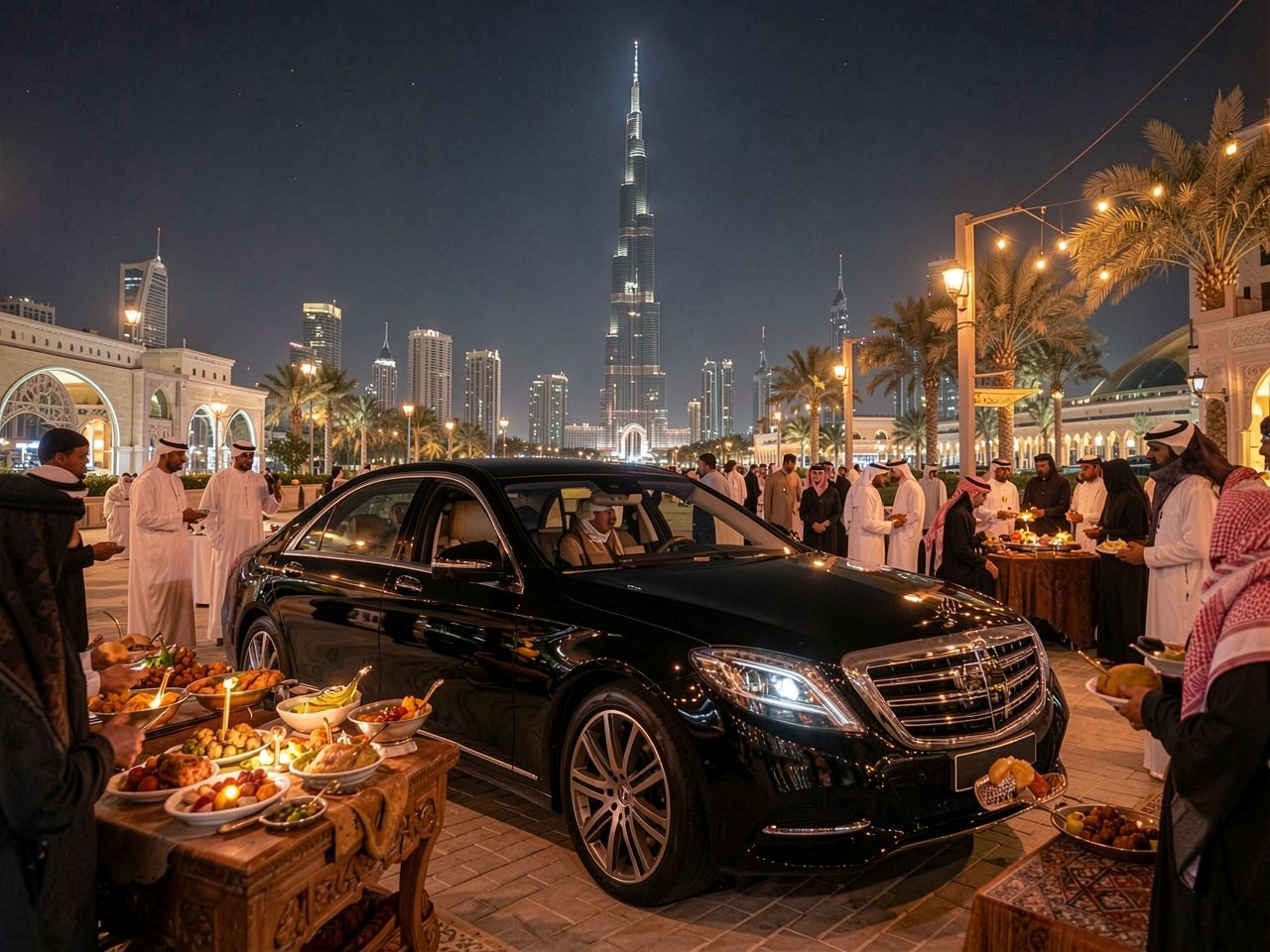
Why Ride-Hailing Apps Surge Dramatically in Peak Weeks
Why Ride-Hailing Apps Surge Dramatically in Peak Weeks
That moment of frustration is familiar to anyone who has opened a ride-hailing app during a busy time: you enter your destination, and the fare is suddenly two or even three times higher than expected. What is the reason for this? It is surge pricing, one of the most controversial yet essential features of modern ride-hailing services. This comprehensive guide explores the complex reasons behind these dramatic price increases, examining the core economic principles, the human factors at play, the technology behind the algorithms, and how smart travelers can navigate the surge.
Understanding the Surge Phenomenon
Surge pricing, also known as dynamic pricing or demand-based pricing, is a system where ride-hailing platforms automatically increase fares during periods of high demand. While the concept may seem simple—higher demand equals higher prices—the underlying mechanics involve sophisticated algorithms, real-time data processing, and complex economic modeling that most passengers never see.
For Dubai residents and visitors, understanding surge pricing has become essential. The city's rapid growth, major events, and extreme weather conditions can trigger significant price spikes at unexpected moments. A journey that normally costs AED 30 might suddenly become AED 90 or more, creating frustration and financial strain for travelers who are unprepared.
The Economics of the Algorithm: It's All About Balance
At its heart, surge pricing is a solution to a classic economic problem: a mismatch between supply and demand. For a ride-hailing service to work effectively, there must be enough drivers (supply) to pick up all the passengers (demand) within a reasonable time. During peak weeks, this balance is thrown into disarray.
When Demand Overwhelms Supply
During peak weeks in Dubai, demand for rides can skyrocket dramatically. This happens during predictable events like the Dubai Shopping Festival, New Year's Eve celebrations, evening rush hours, and major concerts at venues across the city. The convergence of tourists, business travelers, residents attending events, and people returning from holidays creates unprecedented demand for transportation services.
Research shows that user demand during peak hours can be four times higher than on a normal weekday, and less than half of those ride requests are fulfilled. When thousands of people open their apps simultaneously in the same area—perhaps after a concert ends or when rain unexpectedly falls—demand vastly outpaces supply. This creates a perfect storm where the number of available vehicles cannot possibly serve everyone who wants a ride.
The situation is further complicated by the fact that peak demand often coincides with challenging conditions. During heavy rain, which is relatively uncommon in Dubai, demand surges while supply actually decreases as drivers become more cautious or take breaks. Similarly, during extreme summer heat, passengers prefer ride-hailing over walking or waiting for public transport, putting additional pressure on the system.
How the Algorithm Restores the Balance
Surge pricing is the platform's automatic algorithm to restore balance and prevent the system from being overwhelmed. It does this in two key ways that work in concert to stabilize the marketplace.
Encouraging More Drivers to the Area
The higher fares are an incentive for drivers. When they see the surge symbol on their app, they know they can earn significantly more money for a trip. This incentivizes drivers who might be in a different part of the city, or who were planning to take a break, to head towards the busy area. More drivers are drawn in, which increases the supply and helps the system rebalance.
Some drivers will even reposition themselves strategically, anticipating where demand will surge based on events or time of day. This "chasing the surge" behavior can lead to a more efficient distribution of vehicles across the city. However, it can also create a "rush hour before the rush hour" as drivers flood an area in anticipation of demand, sometimes leading to congestion before the event even ends.
Discouraging Some Riders
For passengers, the high price acts as a deterrent. People who can wait or who don't have an urgent need may decide to postpone their trip or find an alternative. By reducing the number of people trying to book a ride, the platform can better serve those who remain. This "demand tempering" is a crucial part of the algorithm's function.
This mechanism reflects the fundamental economic principle of price elasticity: when prices rise, demand falls. Studies show that a fare increase for a short trip can reduce bookings by 35-50%, demonstrating how sensitive passengers are to price changes. For those who do proceed, the higher fare ensures that the trip is worth the driver's time and effort, especially when navigating through congested areas.
The Mathematical Model Behind the Surge
The actual algorithm that determines surge pricing is far more sophisticated than a simple supply-demand ratio. Platforms use complex machine learning models that consider multiple variables simultaneously:
- Real-time supply of available drivers in a specific geographic area
- Current demand from passengers requesting rides in that area
- Predicted demand based on historical data and event schedules
- Weather conditions that affect both demand and driver behavior
- Time of day and day of week patterns
- Traffic conditions that affect how quickly trips can be completed
- Driver acceptance rates and preferences for certain types of trips
These models are continuously updated, with surge pricing recalculated every few minutes. This dynamic approach ensures that pricing remains responsive to ever-changing conditions.
The Human Factor: Scarcity and Strategic Choices
While the algorithm is based on mathematics, human behavior plays a crucial role in how surge pricing is perceived and enacted. Understanding these human elements provides deeper insight into why surges occur and how passengers can navigate them.
Passenger Behavior During Peak Times
During peak weeks, passenger behavior changes significantly. People are more likely to take rides for convenience, to avoid crowds on public transport, or to make the most of limited time. Tourists, in particular, may be less price-sensitive and more willing to pay premium fares to reach their destinations quickly.
Business travelers attending conferences or meetings often have expense accounts and corporate policies that make them less concerned about fare fluctuations. Similarly, families traveling with children or elderly relatives prioritize convenience and safety over cost, making them willing to accept surge pricing.
This reduced price sensitivity among certain passenger groups during peak periods can actually exacerbate surge pricing. When a significant portion of passengers are willing to pay higher fares, the algorithm interprets this as a sign that prices can be increased further, creating a cycle of escalating fares.
Driver Behavior and Strategic Decisions
Drivers are not passive participants in the surge pricing system. They make strategic decisions based on the information available to them through the app.
Chasing the Surge
Many drivers actively position themselves in areas where surges are likely to occur. Experienced drivers in Dubai know, for example, that surges frequently occur near Dubai Mall, the Burj Khalifa, and Jumeirah Beach Residence during evenings. By positioning themselves strategically, they can maximize their earnings.
This behavior can sometimes create a "herd effect" where too many drivers converge on one area, reducing the surge as supply increases. Conversely, drivers who avoid highly congested areas may miss opportunities but also avoid the frustration of dealing with heavy traffic and difficult pickups.
Selective Acceptance
Drivers also make decisions about which ride requests to accept. During high-demand periods, they may reject shorter, lower-value trips in favor of longer, more lucrative journeys. This can leave passengers with shorter distances struggling to find rides, even during surge periods.
The platform's algorithm must account for these driver preferences, offering higher incentives for trips that drivers might otherwise reject. This is why surge multipliers can sometimes be higher for certain types of trips, even in the same geographic area.
Working Multiple Platforms
Many professional drivers in Dubai work with multiple ride-hailing platforms simultaneously. This allows them to compare surge pricing across apps and choose the most lucrative offers. For passengers, this can sometimes lead to a longer wait time if a driver accepts a trip on one platform while finishing a trip on another.
The Psychology of Surge Pricing
The psychological impact of surge pricing cannot be overstated. Passengers experience what is often called "sticker shock" when they see a fare multiple times higher than expected. This can lead to negative emotions, a sense of injustice, and decreased trust in the platform.
The Reference Price Effect
Passengers have a mental "reference price" for common trips—a rate they've seen before and consider fair. When surge pricing dramatically exceeds this reference price, it creates a sense of being cheated or exploited. This is particularly pronounced when the passenger believes the surge is unjustified or that they are being taken advantage of.
The Anchoring Bias
The initial fare estimate shown in the app serves as an "anchor" that influences perception. When the final fare during surge pricing is significantly higher than the estimate, it creates additional frustration. Some platforms now attempt to mitigate this by showing the fare range or providing more transparent explanations of the surge.
The Fairness Perception
Research suggests that passengers are more accepting of surge pricing when they believe it is genuinely driven by supply and demand rather than manipulation by the platform. This is why transparency about the reasons for surge pricing is so important—it helps maintain trust even when prices are high.
The Technology Behind the Surge: How Real-Time Data Drives Pricing
The sophisticated algorithms that power surge pricing rely on massive amounts of real-time data collected from millions of devices. Understanding this technology provides insight into why surge pricing is both so effective and sometimes puzzling to passengers.
Data Collection and Analysis
Every time a passenger opens the app, searches for a destination, or requests a ride, the platform collects data. Similarly, every driver's location, speed, and availability status is continuously tracked. This creates an incredibly detailed picture of the city's transportation ecosystem.
The data collected includes:
- Passenger location and movement patterns over time
- Historical demand at specific locations and times
- Driver availability and movement patterns
- Traffic conditions collected from multiple sources
- Weather data that influences both demand and supply
- Event schedules and known patterns of demand
- Competitor pricing and availability
This data is processed through machine learning models that identify patterns, predict future demand, and calculate optimal pricing in real-time. The models are continuously refined based on actual outcomes, becoming increasingly accurate over time.
The Role of Mapping Technology
Accurate mapping technology is essential for effective surge pricing. Platforms need to know exactly where passengers are, where drivers are, and how traffic conditions might affect trip completion times.
In Dubai, where new developments are constantly emerging and road networks are complex, mapping technology must be continuously updated. The city's unique geography, with major highways connecting different districts, means that surge zones must be precisely defined to be effective.
The Transparency Challenge
Despite the sophistication of the technology, many passengers remain frustrated by the lack of transparency in surge pricing. The algorithms are proprietary and closely guarded, meaning passengers cannot easily understand why a particular surge is occurring.
Some platforms have responded by providing more visible explanations for surge pricing. Passengers might see a message explaining that "demand is high" or "prices are higher because of a major event." While these explanations are basic, they are a step toward greater transparency and passenger understanding.
Peak Periods in Dubai: Understanding the Triggers
Dubai's unique calendar of events, weather patterns, and demographic characteristics creates specific peak periods when surge pricing is most likely to occur. Understanding these triggers can help travelers plan accordingly.
Major Events and Festivals
Dubai hosts numerous major events throughout the year that attract huge crowds and create intense demand for transportation.
Dubai Shopping Festival
This annual event draws millions of visitors to the city, with malls, markets, and entertainment venues bustling with activity. The combination of tourists, residents taking advantage of sales, and the extended shopping hours creates sustained high demand for several weeks. Surge pricing during this period is common, particularly near major shopping destinations and during evening hours.
New Year's Eve
Perhaps the most extreme surge period of the year, New Year's Eve sees demand for rides multiply dramatically. Hundreds of thousands of people gather at key locations like the Burj Khalifa, the Palm Jumeirah, and Dubai Marina for fireworks displays. After the celebrations, everyone wants to go home simultaneously, creating an unprecedented demand-supply imbalance.
Surge multipliers on New Year's Eve can reach extreme levels, with some passengers reporting fares five or more times higher than normal. This is compounded by road closures, traffic restrictions, and the difficulty drivers face reaching pickup locations.
GITEX and Major Conferences
Dubai hosts numerous international conferences and exhibitions throughout the year, particularly during the winter months. These events attract thousands of business travelers who rely heavily on ride-hailing for transportation between hotels, conference venues, and restaurants. Surge pricing during these events is common near exhibition centers like the Dubai World Trade Centre.
Concerts and Sporting Events
Large concerts and sporting events at venues like the Coca-Cola Arena, Dubai Tennis Stadium, and Meydan Racecourse create localized surge zones. When thousands of people emerge from an event simultaneously, surge pricing rapidly activates in the immediate vicinity.
Weather Conditions
Dubai's climate creates unique patterns of demand that might not exist in other cities.
Rainy Days
When rain falls in Dubai—even a relatively small amount—demand for ride-hailing surges dramatically. Residents who might normally walk or use public transport instead seek covered transportation. Meanwhile, some drivers may reduce their availability to avoid difficult driving conditions or potential accidents.
The surge can be particularly intense during unexpected rain, as neither passengers nor the platform has anticipated the increased demand. This can lead to rapid price spikes that surprise even experienced users.
Extreme Heat
During the summer months, when temperatures regularly exceed 40°C, demand for air-conditioned transportation increases significantly. Walking becomes uncomfortable, public transport waiting areas become challenging, and passengers are willing to pay a premium for comfort. Surge pricing during summer afternoons is common, particularly in areas without shaded walking routes.
Sandstorms and Poor Visibility
Occasional sandstorms in Dubai create hazardous driving conditions and reduced visibility. Demand often increases as people seek safe, enclosed transportation, while supply decreases as some drivers avoid the conditions. The combination creates significant surge pricing during these weather events.
Daily and Weekly Patterns
Beyond major events and weather, regular daily patterns create predictable surge periods.
Morning Rush Hour
Between 7:00 AM and 9:00 AM on weekdays, demand for transportation to offices and schools peaks. Passengers compete for a limited number of vehicles, creating the first surge of the day.
Evening Rush Hour
Between 5:00 PM and 8:00 PM, as people leave work and head home, demand surges again. This is often the most intense daily surge, compounded by traffic congestion that reduces the number of trips drivers can complete.
Thursday and Friday Evenings
In Dubai, the weekend begins on Friday, making Thursday evening a popular time for social activities. Restaurants, shopping malls, and entertainment venues are particularly busy, creating sustained surge periods.
Fridays
Friday is a day of prayer and family activities in Dubai. Demand surges after midday prayers and during popular family outing times in the afternoon.
Holiday Periods
School holidays, particularly during the summer and winter breaks, create sustained high demand. Families exploring the city, visiting attractions, and attending events all rely on transportation.
Eid Holidays
The celebrations around Eid al-Fitr and Eid al-Adha see significant demand for transportation as families visit relatives, attend events, and enjoy holiday activities.
Winter School Holidays
December and January, when schools are closed and many families are on vacation, create a sustained period of high demand that can last for weeks.
How Passengers Can Navigate Surge Pricing
Understanding surge pricing is the first step to navigating it effectively. With the right strategies, passengers can minimize the impact of surge pricing on their travel budget.
The Careem Hala Advantage
Dubai's unique transportation landscape offers passengers a powerful tool to avoid surge pricing: the Hala Taxi option within the Careem app. Because Hala uses metered, government-regulated fares, it is immune to surge pricing entirely.
This means that during the busiest peak periods, when other ride-hailing options are charging triple or quadruple the normal fare, Hala taxis continue to charge based on the meter. The significant difference in pricing during peak weeks makes Hala a strategically superior choice for cost-conscious passengers.
To use Hala effectively, passengers should be aware that Hala taxis operate slightly differently from other ride-hailing options. They are traditional taxis with meters, meaning the final fare depends on the distance traveled and time taken, rather than being a fixed upfront price. However, the absence of surge multipliers during peak weeks often makes Hala significantly more affordable.
Tips for Using Hala:
- Open the Careem app and select the "Hala" option (labeled with a taxi icon)
- The fare will be based on the meter, not subject to surge multipliers
- Expect to pay the metered rate plus a small booking fee
- Hala taxis are available throughout Dubai and can be booked just like any other ride-hailing option
Alternative Transportation Options
Beyond ride-hailing, several alternatives can help passengers avoid surge pricing.
Public Transportation
Dubai's public transportation network is extensive, modern, and affordable. The Dubai Metro, trams, and buses connect key areas of the city at fixed, predictable prices. During peak periods when ride-hailing is surging, public transport can be a cost-effective alternative.
The Metro, in particular, is an excellent option for travel along major corridors. Stations near key attractions like the Burj Khalifa, Dubai Mall, and Dubai Marina make it convenient for tourists. The Gold Class carriages offer a premium experience at a fraction of the cost of a surge-priced ride.
Taxis
Traditional street-hail taxis in Dubai operate on regulated meters and are not subject to surge pricing. While you may need to wait longer during peak periods, particularly in busy areas, the fare will be predictable. The Roads and Transport Authority (RTA) taxi fleet is extensive, and taxis can be found throughout the city.
Ride-Sharing
For those traveling with others, ride-sharing can split costs effectively. Even with surge pricing, a trip shared between four passengers can still be economical compared to individual travel.
Walking for Short Distances
In areas like the Dubai Marina, Jumeirah Beach Residence, and Downtown Dubai, walking between destinations can be pleasant and practical. Many major attractions are within walking distance of each other, and the December weather makes walking comfortable.
Strategic Timing
Timing rides strategically can help passengers avoid the worst surge pricing.
Avoiding Peak Demand Periods
If possible, schedule rides outside the busiest hours. For example, leaving an event 10-15 minutes early or waiting 20-30 minutes after it ends can make a significant difference in fares. The algorithm responds quickly to changes in demand, so the surge often subsides shortly after the initial rush.
Traveling During Off-Peak Hours
Early mornings, late nights, and mid-afternoon periods often have lower demand and fewer surges. For travelers with flexible schedules, adjusting activity timing can lead to significant savings.
Monitoring the App Before Booking
Some platforms show whether current demand is low, medium, or high, helping passengers decide whether to book now or wait for conditions to improve.
App-Specific Strategies
Different ride-hailing platforms may have different surge patterns and pricing models.
Comparing Prices Across Platforms
In Dubai, multiple ride-hailing options exist beyond the most well-known platforms. Checking multiple apps can sometimes yield better prices, as different platforms may have different driver availability and surge levels.
Using Promotions and Discounts
Many platforms offer promotional codes, loyalty programs, and discounts that can offset surge pricing. Regular users should explore these options and apply available offers.
Split-Fare Features
Some platforms offer split-fare functionality, allowing passengers to divide the cost of a trip with friends or colleagues. This can make surge-priced rides more affordable for groups.
Corporate Travel Solutions
For businesses that rely heavily on ride-hailing, surge pricing can significantly impact travel budgets. Several strategies can help manage these costs.
Corporate Accounts
Many platforms offer corporate accounts with fixed or discounted rates. These accounts may negotiate preferential pricing that reduces the impact of surge multipliers.
Pre-Booked Limousine Services
For important business travel, pre-booked professional chauffeur services offer fixed, predictable pricing. While the base rate may be higher than a typical ride-hailing fare, there are no surprise surge charges during peak periods.
Travel Policy Guidelines
Corporate travel policies can include guidance on surge pricing, such as maximum acceptable multipliers or preferred alternatives during high-demand periods.
Frequently Asked Questions
1. What exactly is surge pricing on ride-hailing apps?
Surge pricing, also called dynamic pricing, is a system where ride-hailing platforms increase fares during periods of high demand. When more passengers request rides than there are available drivers, the algorithm automatically multiplies the fare to encourage more drivers to come to the area and to discourage some passengers from booking. The multiplier can range from 1.2x to 5x or even higher during extreme events like New Year's Eve in Dubai.
2. Why do fares multiply so dramatically during peak weeks in Dubai?
Fares multiply dramatically because of a severe supply-demand imbalance. During peak weeks, Dubai experiences a convergence of tourists, business travelers, residents attending events, and people returning from holidays. The number of available drivers cannot meet this surge in demand, so the algorithm increases prices significantly. The multiplier effect is amplified by the fact that many passengers during peak weeks are less price-sensitive—tourists, business travelers, and families with children are often willing to pay premium prices, allowing the surge to continue or even increase.
3. Is there a way to completely avoid surge pricing in Dubai?
Yes, the most reliable way to avoid surge pricing in Dubai is to use the Careem Hala Taxi option. Hala taxis use the standard RTA meter and are exempt from dynamic pricing and surge multipliers. This means that during peak weeks when other ride-hailing options are surging to 3x or 4x, Hala taxis continue charging the regulated meter rate. Traditional street-hail taxis also avoid surge pricing, as they operate on the same regulated meter system.
4. How do drivers learn about surge zones?
Drivers see surge information directly on their app interface. The app displays surge zones on a map, often with darker colors indicating higher surge multipliers. When drivers see a surge zone, they can choose to navigate toward that area to take advantage of higher fares. Some experienced drivers in Dubai anticipate surges based on event schedules, time of day, and typical demand patterns, positioning themselves strategically before the surge even begins.
5. Can I wait out a surge, and how long does it typically last?
Yes, waiting out a surge is often effective. Surges typically last 15-45 minutes, though during major events they can persist for several hours. The algorithm adjusts quickly, so as demand decreases or supply increases, the surge multiplier falls. Waiting 15-30 minutes after a concert ends or after peak rush hour begins can result in substantially lower fares. Monitoring the app to see when the surge indicator disappears is an effective strategy.
6. Does surge pricing only affect certain areas of Dubai?
No, surge pricing can affect any area where demand exceeds supply. However, certain areas experience surges more frequently and more intensely. These include near major attractions like Dubai Mall and Burj Khalifa, around Jumeirah Beach Residence and Dubai Marina, near event venues like the World Trade Centre and Coca-Cola Arena, during bad weather across the entire city, and during morning and evening rush hours on major corridors. Surge zones are typically localized to specific geographic areas and can be seen on the app's map.
7. Do different ride-hailing platforms have different surge prices?
Yes, different platforms can have different surge prices because they operate with different driver networks, different algorithms, and different pricing strategies. Some platforms may have better driver coverage in certain areas, while others may have more aggressive surge pricing policies. Checking multiple apps before booking can sometimes yield significantly different prices. It is always worth comparing options, especially during peak periods.
8. Is surge pricing just a way for platforms to make more money?
While surge pricing does increase platform revenue, its primary purpose is system optimization. The platform wants to ensure that passengers can get rides when needed—without surge pricing, many passengers would be unable to find available drivers at all during peak times. The system is designed to balance supply and demand, ensuring reliability. The revenue generated during surging periods helps platforms invest in driver incentives and system improvements.
9. Why do surges happen even when there seems to be plenty of time?
A surge can begin before an event ends because drivers in the area are already committed to trips or positioned far away. Even with sufficient total drivers in the city, localized demand can outstrip localized supply. For example, at Dubai Mall, thousands of people may request rides simultaneously, but only a fraction of the drivers available in the city are near the mall. This localized imbalance triggers a surge even if overall city-wide driver numbers appear adequate.
10. What happens to driver earnings during surge periods?
Drivers earn significantly more during surge periods because they receive a share of the higher fare. This incentivizes them to work longer hours, accept more trips, and position themselves in busy areas. During extreme surges, some drivers can earn double or triple their normal hourly rate. This increased earning potential is essential for attracting more drivers to the area, which helps the system rebalance and eventually reduce the surge.
11. Can I book a ride before a surge starts to avoid higher prices?
Yes, booking slightly before a surge begins can help lock in a lower rate. If you know a major event is ending (like a concert or fireworks display), booking a ride 10-15 minutes before the official end time can secure a lower price. However, this means potentially waiting for the driver, and there is a risk the surge will not happen or the driver may cancel if the wait is too long. Some platforms also offer a "scheduled ride" feature where the fare is confirmed at the time of booking, protecting you from surges that occur between booking and pickup.
12. Are there any limits to how high surge pricing can go?
Most platforms do not advertise a specific maximum surge multiplier, but in practice, multipliers rarely exceed 5x in Dubai, with extreme cases reaching higher during once-a-year events like New Year's Eve. The platform's algorithm ensures prices remain within a range that keeps the system functional. If prices go too high, passenger demand drops dramatically, defeating the purpose of the surge. Additionally, local regulations may impose informal limits on how high fares can rise, though specific caps are not publicly announced.
13. Why does surge pricing happen when it rains in Dubai?
When it rains in Dubai, two factors create surge pricing: demand increases significantly as people who would normally walk or use public transport seek covered transportation, and supply decreases as some drivers reduce their availability due to challenging driving conditions or safety concerns. This dual effect creates a severe supply-demand imbalance, triggering surges even though the weather event may be brief. Additionally, the unpredictability of rain in Dubai means that neither passengers nor the platform have anticipated the increased demand, leading to rapid and sometimes dramatic price spikes.
14. How can I know in advance when surge pricing is likely to occur?
While you cannot know the exact surge multiplier in advance, you can anticipate times when surges are likely: check event schedules for concerts, sporting events, and major conferences; be aware of weather forecasts for rain or extreme heat; plan for predictable peak times like evening rush hour and Thursday/Friday evenings; consider known holiday periods like Eid, New Year's Eve, and Dubai Shopping Festival; monitor the app before peak times to see if a surge is already developing; and follow local news and platform announcements for event-related transportation advice.
15. Is dynamic pricing the same as surge pricing?
Dynamic pricing is a broader term that encompasses surge pricing and other forms of variable pricing. In Dubai, the RTA has introduced dynamic pricing for some taxi services, which involves time-based booking fees that vary by peak, off-peak, and night hours. This is different from the multiplier-based surge pricing used by ride-hailing apps. Dynamic pricing is more predictable and based on known patterns, while surge pricing responds to real-time demand fluctuations and can be more dramatic.
16. Do I have to accept surge pricing, or can I negotiate with the driver?
Surge pricing is set by the platform algorithm, and the driver has no authority to negotiate or change the fare. The fare displayed is what you will be charged, and drivers cannot offer discounts or alternative pricing for rides booked through the app. If you are unhappy with the surge price, your options are to wait for the surge to subside, use a Hala taxi (which is immune to surge pricing), use public transport, or try a different platform that may have lower surge pricing at that moment.
17. Why does the surge multiplier sometimes show as a percentage or a flat amount?
Different platforms present surge pricing differently. Some show a multiplier (e.g., "1.5x" meaning 150% of the base fare), while others show the total estimated fare including the surge effect. Some platforms may also show a "surge fee" as a flat additional amount added to the base fare. Understanding how your chosen platform displays surge information helps you compare options effectively. In general, the total estimated fare is the most important number to compare across platforms.
18. Can surge pricing affect my corporate travel budget significantly?
Yes, surge pricing can have a substantial impact on corporate travel budgets. For businesses with employees regularly using ride-hailing in Dubai, surge periods can double or triple transportation costs. To manage this, consider establishing corporate accounts with negotiated rates, setting travel policies that cap acceptable surge multipliers, encouraging employees to use alternatives like Hala taxis during surges, booking professional chauffeur services for important travel where fixed pricing is available, and monitoring spending patterns during peak periods to identify cost-saving opportunities.
19. How does surge pricing differ between Dubai and other cities?
Surge pricing in Dubai shares similarities with other major cities but also has unique characteristics: Dubai's rapid growth and frequent events create more frequent surge opportunities; Dubai's regulated taxi sector (RTA) provides a stable alternative unaffected by surge pricing; Dubai's extreme weather patterns (heat, rain) create unique demand surges; the large expatriate population and tourism sector make demand patterns more complex; and Dubai's Hala taxi option provides a surge-free alternative that may not exist in other cities.
20. What should I do if I believe a surge multiplier is unjustified?
Surge multipliers are determined algorithmically and, while frustrating, are typically justified by the supply-demand balance in that moment. However, there are several things you can do: check multiple platforms to see if the same surge exists elsewhere, wait a few minutes to see if the surge changes, use a Hala taxi to avoid the surge entirely, consider alternative transportation options, contact customer support for the platform if you experience an unusually high surge that seems incorrect, and provide feedback to the platform about your experience—user feedback can influence future algorithm adjustments.
Conclusion
Surge pricing on ride-hailing apps during peak weeks is a direct consequence of the supply-and-demand mechanics that keep these services functioning during high-pressure periods. For passengers, understanding this "surge economy" is the first step to managing its impact.
The sophisticated algorithms behind surge pricing analyze massive amounts of real-time data to balance supply and demand, ensuring that rides remain available even during the busiest times. While this dynamic approach helps maintain system reliability, it also creates frustrating fare increases that can significantly impact travel budgets.
However, Dubai's unique transportation landscape offers passengers powerful tools to navigate surge pricing effectively. The Careem Hala Taxi option, which uses government-regulated meters, is immune to surge multipliers, providing a reliable and predictable alternative during peak periods. Traditional street-hail taxis offer similar protection against surge pricing.
By understanding when surges are likely to occur, comparing options across platforms, timing rides strategically, and using surge-free alternatives like Hala taxis, passengers can significantly reduce the impact of surge pricing on their travel budget. The key is to be informed, patient, and strategic.
As Dubai continues to grow and the volume of major events increases, surge pricing will likely remain a feature of the city's ride-hailing landscape. The city's unique characteristics—frequent major events, extreme weather patterns, and its position as a global tourist destination—make dynamic pricing particularly prominent. Understanding the system, rather than fighting against it, is the most effective approach.
The combination of strategic planning, platform comparison, and use of surge-free alternatives creates a powerful toolkit for navigating Dubai's ride-hailing market during peak periods. With this knowledge, passengers can move beyond the frustration of surge pricing and focus on what matters: enjoying everything this dynamic city has to offer.
Disclaimer: This guide provides general information about surge pricing on ride-hailing apps during peak periods. Specific surge multipliers, platform policies, and pricing may vary by provider, time, and location.